




In recent years,portable energy storage power banks have evolved far beyond simple "camping gadgets" into essential tools for modern households, outdoor enterprises, and mobile professionals.
Whether serving as a reliable emergency backup during unexpected grid failures or providing off-grid power for field operations, understanding the utility and global compliance of these devices is crucial for B2B buyers and consumers alike.
1. The Versatile of Portable Energy Storage
Modern portable power stations range from compact outdoor units to high-capacity battery generators (such as 700WH, 2400WH, and 5120WH), making them adaptable to diverse scenarios:
Outdoor & Camping
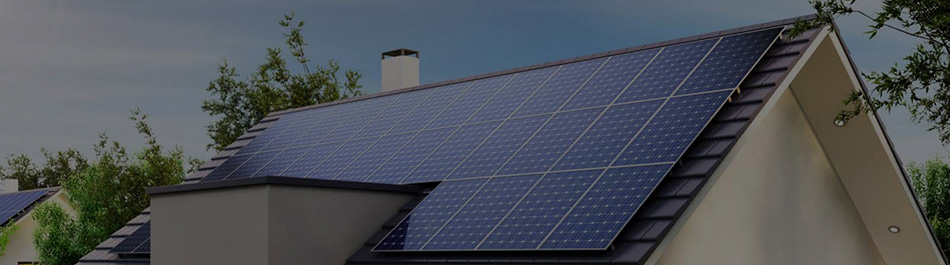
Paired with foldable monocrystalline solar panels, portable power banks enable true off-grid living. Users can charge drones, cameras, laptops, and mini-fridges while miles away from the nearest power outlet.
Home & Business Energy Backup
With extreme weather events causing frequent power outages, having an independent emergency power supply is vital. These systems provide seamless backup for routers, medical devices, lighting, and essential home appliances.
Mobile Work & Field Operations
Field engineers, outdoor broadcasters, and mobile-office workers rely on multi-port AC/DC outputs and fast-charging capabilities to keep productivity high anywhere, anytime.
2. Core Technological Advantages: Built for Reliability
To meet stringent market expectations, high-quality portable power stations integrate advanced engineering:
LiFePO4 Battery Chemistry
Upgraded systems utilize Lithium Iron Phosphate (LiFePO4) cells, offering superior safety, thermal stability, and a lifecycle exceeding 3,000+ charge cycles compared to traditional ternary lithium batteries.
Smart App Integration
Modern units support remote monitoring and control via Bluetooth or Wi-Fi smart applications, allowing users to track input/output wattage, battery health, and eco-mode settings effortlessly.
3. Global Import and Compliance Considerations for B2B Buyers
For international traders, importers, and brand owners, sourcing portable energy storage requires strict adherence to global safety and transport standards. Key considerations include:
Mandatory International Certifications
Importing to local markets demands strict compliance documents, including UN38.3 and MSDS for lithium battery shipping safety, alongside CE, RoHS, FCC, UL, and PSE standards.
Supply Chain Traceability & Safety: Ensuring A-grade battery cells and robust Battery Management Systems (BMS) protects end-users from overcharging, short-circuiting, and thermal risks.
Customized Regional Specifications
B2B partners often require localized customization—such as matching AC socket types (US, EU, UK, AU plugs) and voltage/frequency standards to target specific regional markets seamlessly.
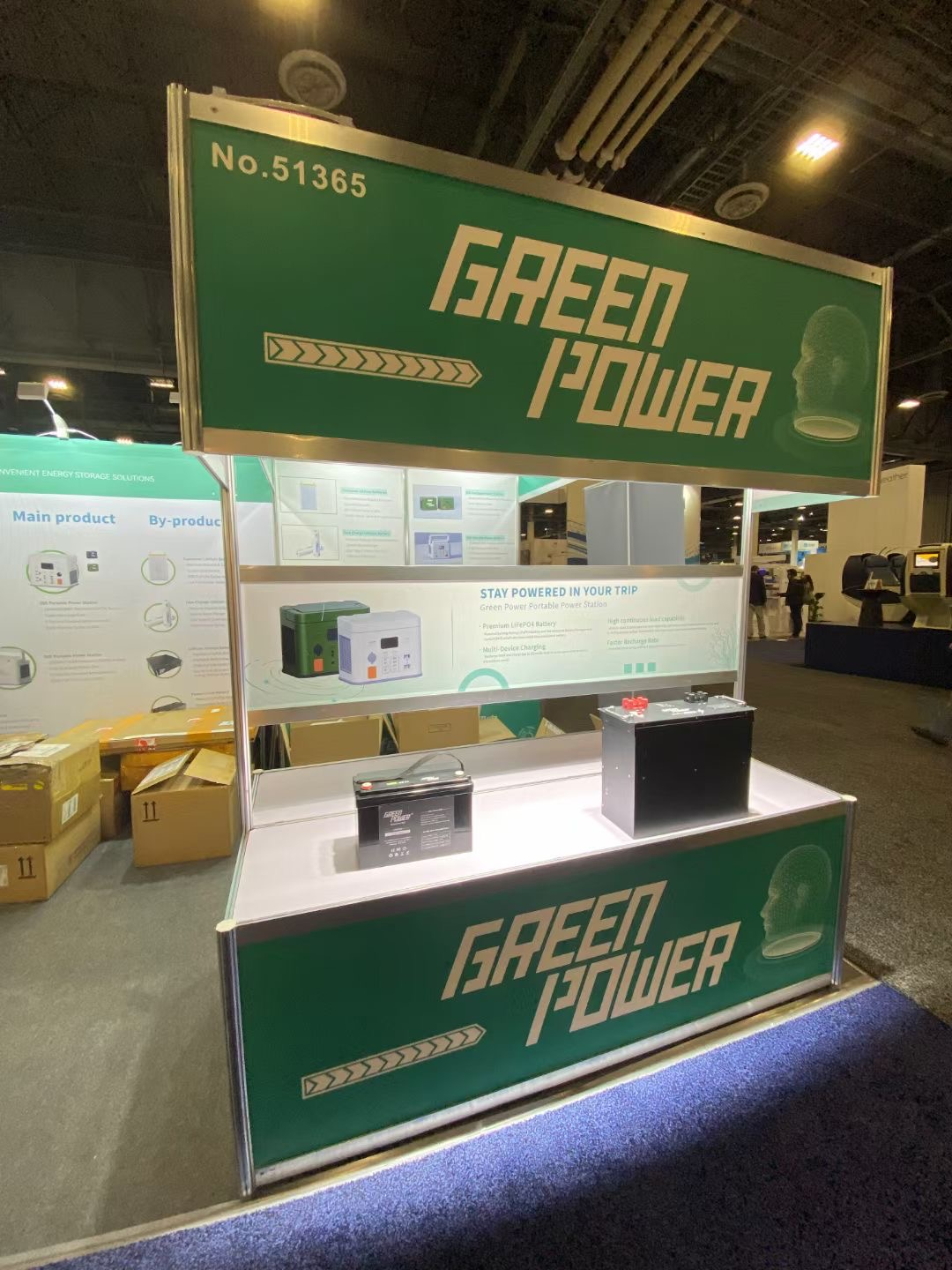
If you're interested in learning more about our solar energy storage offerings, we encourage you to explore our product line. We offer a range of panels and battery that are designed for various applications and budgets, so you're sure to find the right solution for your needs.
Website:www.fgreenpv.com
Email:Info@fgreenpv.com
WhatsApp:+86 17311228539
Post time: Mar-15-2024


