




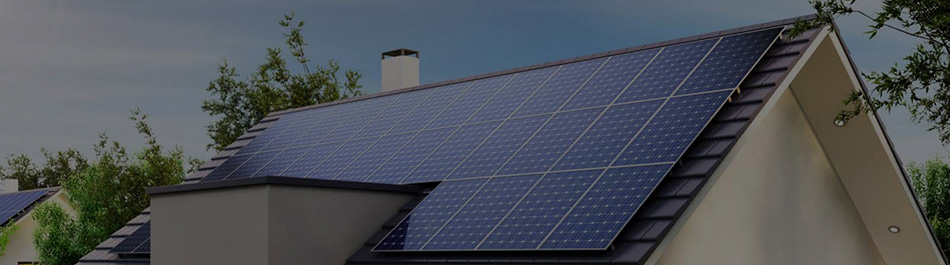
5 Pillars of Global Energy Transition Driving C&I Energy Storage System Demand
The global energy landscape has reached a breaking point. Driven by the explosive growth of artificial intelligence and industrial electrification, the world’s power grids are facing an existential crisis: traditional infrastructure cannot scale fast enough to support the sheer volume of power these sectors demand.
To survive, the market is aggressively shifting toward decentralized, intelligent energy architecture. For international clean energy distributors, procurement managers, and solar EPCs, this crisis has birthed five new concepts that are directly driving the global demand for next-generation Commercial & Industrial Energy Storage Systems (C&I BESS) and high-capacity hybrid inverters.
If you are an energy storage distributor or installer, do not make the mistake of thinking these are futuristic theories. These projects are being greenlit, funded, and developed right now. Because many of these multi-million-dollar projects are still in the engineering and development phases, a rare window of opportunity has opened for distributors to secure early hardware vendor status.
Here is exactly what is happening on the ground, the real-world projects currently in development, and how you can capitalize on them with the right energy storage hardware.
1. AI-Ready Data Centers: Driving Multi-Megawatt Liquid-Cooled BESS Demand
The Reality: Standard air-cooled data centers cannot handle the heat and electricity loads of next-gen AI chips. AI data centers require dedicated, high-density liquid cooling infrastructure and massive on-site energy storage to guarantee zero-downtime backup power.
Project in Development: Look at Microsoft’s massive 20-year Power Purchase Agreement (PPA) with Constellation Energy. As reported by Utility Dive, they are actively pushing forward a $1.6 billion plan to restart the Three Mile Island nuclear plant (renamed the Crane Clean Energy Center) specifically to feed Microsoft’s AI data centers. Simultaneously, tech giants are breaking ground on massive facilities globally, pairing them with utility-scale Battery Energy Storage Systems (BESS) to buffer the grid.
The Hardware Opportunity: Every AI data center in development requires tens of megawatts of backup power. The demand for heavy-duty, fast-response commercial inverters and high-density liquid-cooled battery cabinets is skyrocketing. Distributors who position themselves now as specialized suppliers for data center EPCs (Engineering, Procurement, and Construction companies) are locking in massive contract volumes.

Microsoft’s massive 20-year Power Purchase Agreement (PPA) with Constellation Energy
2. Net-Zero Industrial Parks: Factory-Scale Solar + Storage Market Expansion
The Reality: This isn’t about being eco-friendly; it’s about trade survival. With regulations like Europe’s Carbon Border Adjustment Mechanism (CBAM) taking effect, global brands are telling their manufacturing suppliers: decarbonize your facility or lose our contract.
Project in Development: Look at the blueprint for modern decarbonized manufacturing: the Mercedes-Benz Factory 56 in Sindelfingen, Germany. The entire roof is covered in a massive megawatt-scale photovoltaic system. To handle the variance in solar generation and stabilize the local factory grid, the facility is coupled with a giant 1,400 kWh energy storage system (utilizing reused electric vehicle batteries). Mercedes-Benz is currently rolling out this self-sustaining, solar+storage industrial model across its production networks to achieve net-zero status.
The Hardware Opportunity: Factories trying to mimic this model cannot rely on the main utility grid alone to maintain production stability. They need containerized, plug-and-play Commercial & Industrial Energy Storage Systems (C&I ESS) to balance their solar output. For distributors, this represents a massive shift from low-margin residential sales to high-value, high-margin industrial project supply.
3. Resilient Microgrids: Boosting Demand for Islanding Smart Inverters
The Reality: In mature markets like North America and Australia, aging grids and extreme weather mean blackouts are becoming more frequent and expensive. For a hospital, a logistics warehouse, or a cold-storage facility, a 4-hour blackout can cost millions. They are building microgrids for Resilience—the ability to “island” (disconnect from the main grid) and run completely on local solar + storage.
Project in Development: The market has rapidly moved toward Microgrid-as-a-Service (MaaS) Solutions, where developers finance and own the assets, and facilities simply buy the power. A prime example is logistics giant Prologis, which launched its first European C&I microgrid at a Dutch distribution center. Faced with extreme local grid congestion, Prologis deployed rooftop solar paired with a heavy BESS, increasing the facility’s available power sevenfold (from 55 kW to 400 kW) without waiting years for a utility grid upgrade.
The Hardware Opportunity: MaaS developers like Prologis move fast and buy in bulk. They do not buy single components; they need reliable hardware partners who can supply advanced hybrid inverters and containerized batteries with proven islanding and seamless-switching capabilities. By partnering with these project developers early in their design phase, you secure a predictable, multi-year hardware procurement pipeline.
4. Direct-Wire PPAs: Expanding Behind-the-Meter (BTM) Industrial Storage
The Reality: High-energy corporate consumers are tired of volatile electricity prices and rising grid transmission fees. Instead of buying “virtual” green credits, they are physically running high-voltage cables from a nearby solar farm or heavy energy storage asset directly into their facility, bypassing the public utility grid entirely.
Project in Development: Tesla’s Gigafactory Texas serves as the ultimate blueprint for this trend. Tesla has covered its massive facility with rooftop solar and connected it directly to its own Megapack battery systems to manage localized load distribution. Similar “behind-the-meter” direct-wire projects are currently under development by major logistics and automotive manufacturing hubs globally.
The Hardware Opportunity: Direct-wire setups require heavy-duty distribution hardware, localized EMS (Energy Management Systems), and high-capacity battery storage. B2B distributors who can offer the full kit—not just the batteries, but the Balance of System (BOS) components required for a direct physical connection—can charge a massive premium.

The Mercedes-Benz Factory 56 in Sindelfingen, Germany
5. Virtual Power Plants (VPPs):Sourcing VPP-Ready C&I Energy Storage Hardware
The Reality: When a factory installs a 500kWh battery for backup power, that battery sits idle 95% of the time. A Virtual Power Plant (VPP) uses cloud software to network thousands of these distributed batteries together. When the main grid is strained, the software automatically discharges power from these batteries back into the grid, earning the business owner massive payouts.
Project in Development: Capital is pouring into this software-hardware bridge. For instance, as covered by ESG News, VPP pioneer Lunar Energy recently secured $232 million in funding to scale its AI-driven VPP platform, which already manages hundreds of megawatts of distributed devices across multiple continents.
The Hardware Opportunity: Hardware that is not “VPP-ready” is rapidly becoming obsolete. When purchasing C&I storage systems, installers and developers now ask: “Can this inverter communicate with local VPP platforms?” As a distributor, if you ensure the hardware brands you stock are certified and pre-integrated with major VPP software protocols (such as OpenADR or SunSpec Modbus), you instantly become the preferred vendor for modern installers.
Why This Matters for Clean Energy Hardware Distributors
As the macro-grid struggles to keep up with the data era, the role of the B2B energy distributor is evolving rapidly.
The Shift to Large-Scale C&I Volume: Microgrids, net-zero parks, and AI infrastructure all require heavy-duty, high-capacity battery storage and high-voltage inverters (ranging from 100kWh to multi-megawatt systems). This segment offers significantly higher order values and healthier margins compared to the increasingly crowded residential market.
Hardware Must Be “Smart” and Integrated: To participate in a VPP or effectively manage an automated microgrid, hardware can no longer be a passive asset. It must seamlessly integrate with advanced Energy Management Systems (EMS) and local grid protocols. Distributors who understand software compatibility and system-level integration will capture far more market share than those competing solely on hardware unit prices.
Final Thoughts: What’s Next for Distributors?
Ultimately, the power crisis triggered by the AI boom and grid limitations is rewriting the rulebook for commercial and industrial energy storage. While the technology is global, the regulatory environment and market adoption rates vary significantly by region.
As a distributor or installer, which of these five trends are you seeing most frequently in your local market? Are your customers asking more about backup resilience, or are they looking to monetize their assets via VPP networks?
Leave a comment below with your regional insights, or join our B2B renewable energy newsletter to stay updated on the latest global hardware trends and industry shifts.
Q: What is the biggest macro trend reshaping industrial BESS procurement?
A: The most disruptive trend is the rise of BESS-as-a-Service (BaaS) for industrial plants. Instead of bearing high upfront capital expenditures (CAPEX), industrial buyers are pivoting to operational-lease models where they pay only for power reliability and peak-shaving performance.
To adapt to this shift, navigating modern BESS procurement requires selecting vendors who offer modular, highly compatible hardware. As a trusted BESS supplier for industrial projects, Fgreen delivers Tier-1 energy storage systems engineered for seamless integration into flexible, service-based financial models. Connect with our procurement experts for full technical specs.
Website:www.fgreenpv.com
Email:[email protected]
WhatsApp:+86 17311228539
Post time: Jun-10-2026


