




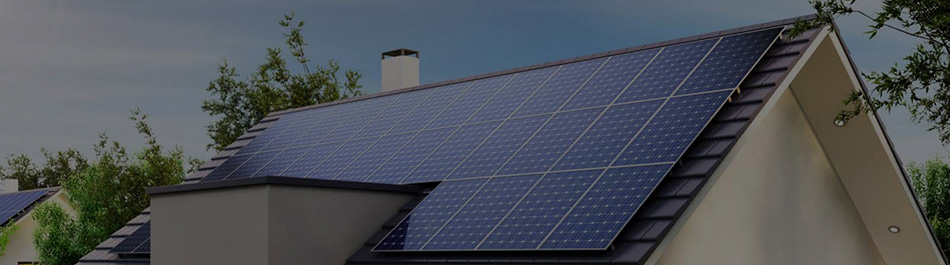
Solar Cold Storage Solutions for Agriculture & Food Businesses
Food loss remains one of the biggest challenges in agriculture, fisheries, and food distribution. In regions with unstable power grids or limited electricity access, maintaining reliable refrigeration can be expensive and difficult.
Solar cold storage systems combine solar panels, battery energy storage, and high-efficiency refrigeration technology to deliver dependable cooling while reducing operating costs. As demand for sustainable cold chain infrastructure grows, solar-powered cold rooms and containerized cold storage solutions are becoming an essential investment for businesses worldwide.
What Is Solar Cold Storage?
Solar cold storage is a refrigeration system powered by solar energy. It uses photovoltaic (PV) panels and battery storage to maintain consistent temperatures for food, agricultural products, pharmaceuticals, and other temperature-sensitive goods.
Main Components of a Solar Cold Storage System:
Solar Panels:Generate clean electricity during daylight hours.
Battery Energy Storage System (BESS):Stores excess solar energy for use during nighttime or cloudy weather.
Refrigeration Unit:Maintains the required storage temperature.
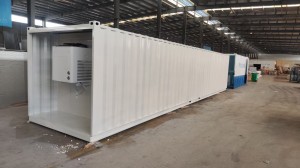
Insulated Cold Room or Container:Minimizes heat transfer and improves energy efficiency.
Energy Management System:Optimizes solar generation, battery storage, and power consumption.

Benefits of Solar Cold Storage Systems
1.Reduce Post-Harvest Losses
Many farmers lose a significant percentage of harvested produce due to insufficient cold chain infrastructure.
Solar cold storage helps:
- Extend shelf life
- Preserve product quality
- Reduce spoilage
- Increase profits
2.Lower Energy Costs
Traditional cold storage often relies on expensive grid electricity or diesel generators.
Solar-powered refrigeration can:
- Reduce electricity expenses
- Eliminate diesel fuel costs
- Lower maintenance requirements
- Improve return on investment
3.Reliable Cooling During Power Outages
Grid instability continues to affect businesses in many regions.
By integrating energy storage batteries, solar cold storage systems provide uninterrupted refrigeration during outages.
4.Support Sustainability Goals
Solar-powered cold storage helps businesses:
- Reduce carbon emissions
- Lower fossil fuel dependence
- Meet sustainability requirements
- Enhance ESG performance

Why Battery Storage Is Critical for Solar Cold Rooms
A solar refrigeration system requires continuous power, even when sunlight is unavailable.
Battery energy storage systems allow businesses to:
- Store excess daytime solar energy
- Operate refrigeration equipment overnight
- Maintain temperature stability
- Protect stored products during power interruptions
Modern lithium battery technology offers:
- Longer cycle life
- Higher efficiency
- Faster charging
- Lower maintenance costs


Applications of Solar Cold Storage
1.Agriculture and Farming
Store fruits, vegetables, and harvested crops before transportation or sale.
2.Fisheries and Seafood Processing
Maintain freshness and quality throughout the supply chain.
3.Dairy Industry
Provide reliable cooling for milk and dairy products.
4.Food Distribution Centers
Support cold chain logistics and inventory management.
5.Pharmaceutical Storage
Protect vaccines and temperature-sensitive medicines in remote locations.
Containerized Solar Cold Storage: A Flexible Solution
Containerized solar cold storage systems are becoming increasingly popular due to their mobility and scalability.
Advantages of Container Cold Storage
- Fast deployment
- Plug-and-play installation
- Easy transportation
- Modular expansion
- Lower infrastructure requirements
These solutions are ideal for:
- Agricultural cooperatives
- Food processors
- NGOs
- Rural communities
- Commercial distributors

How to Select the Right Solar Cold Storage System
Before investing in a solar-powered cold room, consider the following:
Storage Capacity
Calculate daily storage volume and future expansion needs.
Temperature Requirements
Different products require different cooling ranges.
Solar Resource Availability
Evaluate local solar irradiation levels.
Battery Backup Time
Determine the required operating hours without sunlight.
Energy Consumption
Choose energy-efficient refrigeration equipment to maximize savings.


Future Trends in Solar Cold Storage
Several factors are accelerating adoption worldwide:
Growing Demand for Cold Chain Infrastructure
The expansion of food distribution networks requires more reliable refrigeration.
Falling Solar and Battery Costs
Advancements in solar panels and battery technology continue to improve affordability
Increased Focus on Food Security
Governments and organizations are investing heavily in cold chain development.
Integration with Smart Monitoring Systems
Remote monitoring allows operators to track:
- Temperature
- Battery status
- Energy generation
- Equipment performance
in real time.
Conclusion
Solar cold storage systems provide a reliable, cost-effective, and sustainable solution for businesses that depend on refrigeration. By combining solar power, battery energy storage, and efficient cooling technology, organizations can reduce food waste, lower operational expenses, and improve supply chain resilience.
As renewable energy adoption continues to accelerate, solar cold storage is becoming a key component of modern cold chain infrastructure.
FAQ
How does a solar cold storage system work?
A solar cold storage system uses solar panels and battery storage to power refrigeration equipment and maintain stable temperatures.
Can solar cold storage operate at night?
Yes. Battery energy storage systems store excess solar energy generated during the day and power the cold room at night.
Is solar cold storage suitable for off-grid locations?
Yes. Solar cold storage is specifically designed to provide reliable refrigeration in areas with limited or unstable grid access.
What products can be stored in a solar cold room?
Common products include fruits, vegetables, seafood, dairy products, meat, pharmaceuticals, and vaccines.
Post time: Jun-22-2026


