




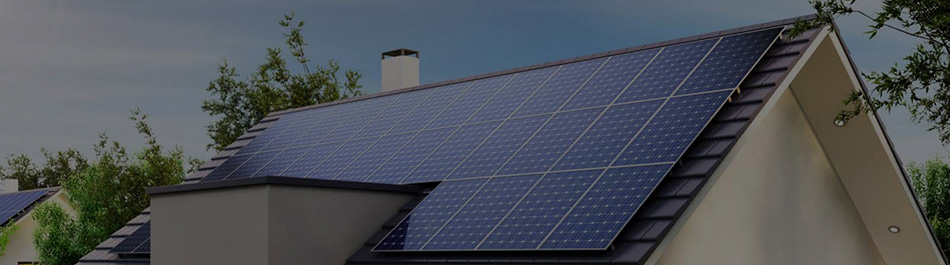
Kenya has one of Africa’s strongest renewable-energy profiles, with geothermal, hydro, wind and solar contributing significantly to electricity generation.However, high renewable penetration also creates a new challenge: electricity generation and electricity demand do not always occur at the same time.
This is where energy storage in Kenya can play a critical role.
Battery energy storage systems can store electricity when renewable generation is available and release it when demand increases. They can also provide backup power, peak-load management, renewable-energy integration and improved power reliability.
For businesses, agricultural operations, rural communities and distributed-energy developers, energy storage is therefore becoming more than a backup solution. It is increasingly part of a complete solar and power-management strategy.
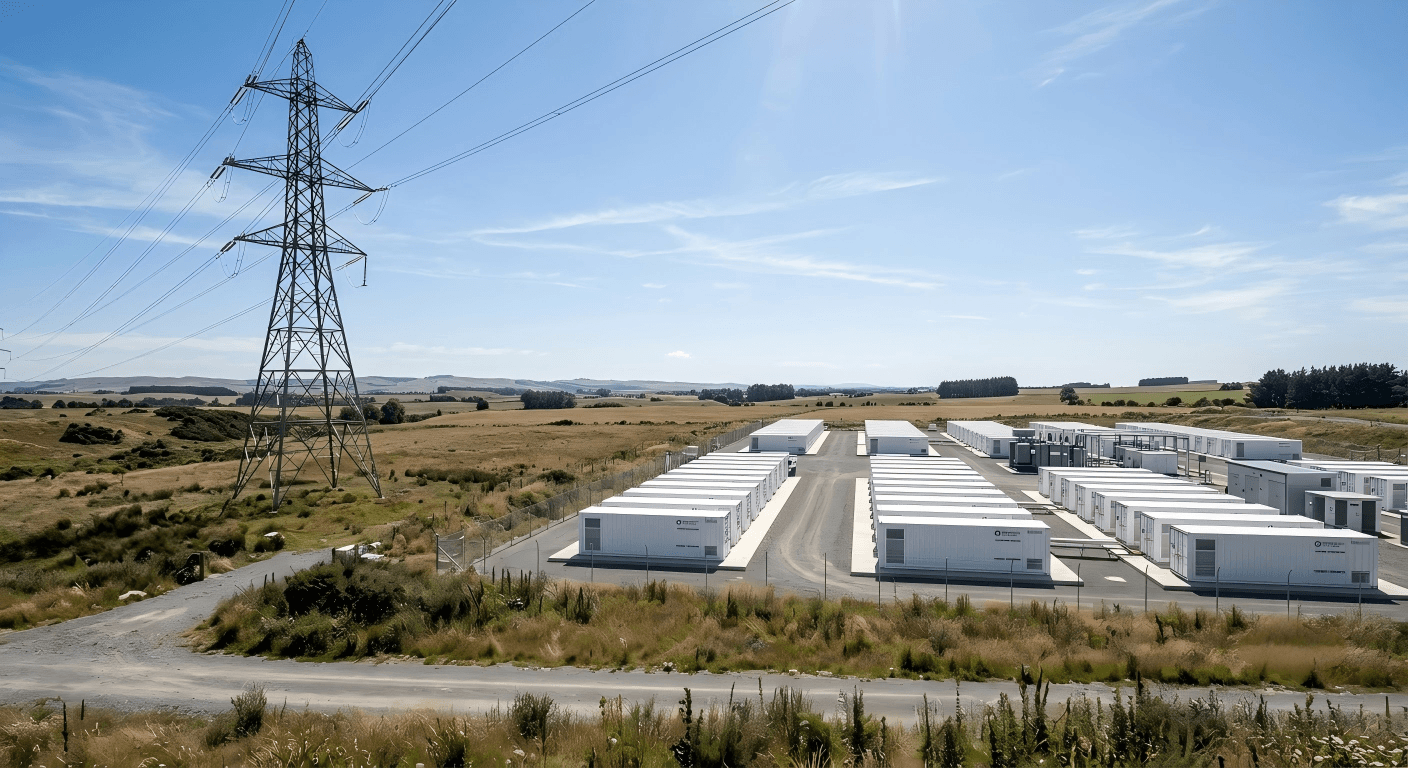
Why Energy Storage Matters in Kenya
Kenya’s electricity challenge is not simply a lack of generation capacity. The larger issue is the mismatch between electricity generation, demand and grid flexibility.
Solar Energy Is Not Available When Demand Peaks
Solar PV generates electricity during the daytime and produces little or no electricity after sunset. Wind generation varies according to weather conditions.
Without sufficient storage, surplus renewable electricity may not be fully utilized when generation is high. Later, when renewable output falls and demand remains high, users may need to rely on grid electricity or backup generators.
An appropriately sized battery energy storage system can shift electricity from one period to another.
Grid Flexibility Is Increasingly Important
As renewable energy becomes a larger part of the electricity mix, the ability to balance generation and demand becomes increasingly important.
Kenya’s Integrated National Energy Plan covers grid-connected systems, mini-grids and stand-alone energy systems, reflecting the country’s need for different forms of energy access.
Energy storage in Kenya can support this transition by providing:
- Energy time shifting
- Peak-load management
- Backup power
- Renewable-energy integration
- Improved power quality
- Reduced dependence on diesel generators
Core Benefits of Energy Storage in Kenya
1. Replace Diesel Generators to Reduce Operating Costs
Frequent outages and unreliable power can lead businesses to depend on diesel generators. Although generators provide backup electricity, their operating costs include fuel, maintenance, spare parts and equipment depreciation.
Solar-plus-storage systems offer an alternative.
A properly designed system can store solar electricity during the day and use the stored energy when grid power is unavailable or electricity demand is high.
For businesses that currently depend heavily on diesel backup power, energy storage in Kenya can reduce generator runtime and improve energy reliability.
The result is not simply lower fuel consumption. Businesses can also benefit from quieter operation, lower local emissions and reduced maintenance requirements.
2. Optimize Electricity Costs Through Load Management
Commercial and industrial users need to manage electricity costs while maintaining reliable operations.
A smart energy storage system can charge when electricity or solar power is available and discharge when electricity demand is higher.
Combined with an intelligent Energy Management System (EMS), the battery can coordinate:
- Solar PV generation
- Grid electricity
- Battery charging
- Battery discharging
- Critical loads
- Backup power
This makes solar energy storage in Kenya particularly attractive for factories, shops, offices, warehouses and other facilities with significant daytime and evening electricity demand.
3. Increase the Value of Solar PV
Solar PV can significantly reduce daytime electricity consumption, but without storage, excess generation may not always be available when the user needs it.
Adding a battery changes the operating model.
Instead of using solar electricity only when it is generated, the system can store part of the solar output and use it later.
This improves solar self-consumption and helps users get more value from their PV investment.
For more information about solar PV fundamentals, see our solar panel guide.
Energy Storage in Kenya: Key Application Scenarios
Residential and Off-Grid Energy Storage
In areas with limited grid access or unreliable electricity, small-scale energy storage can provide dependable electricity for households and small businesses.
A solar-plus-battery system can power essential loads such as:
- Lighting
- Fans
- Mobile phones
- Routers
- Small appliances
- Refrigeration
- Basic business equipment
GreenPower’s mini off-grid microgrid solution is designed for distributed energy applications where grid connection is unavailable or unreliable.
For households and small businesses, the combination of solar PV, battery storage and intelligent power management can provide an alternative to fuel generators.

Agricultural Energy Storage
Agriculture is another important application for energy storage in Kenya.
Kenya’s agricultural economy includes flower production, irrigation, cold-chain facilities and increasingly automated agricultural operations. These applications depend on reliable electricity.
A power interruption can stop irrigation equipment, affect refrigeration or interrupt production processes.GreenPower’s smart agricultural irrigation solution combines solar power with solar water pumps to support irrigation applications.Solar-plus-storage can further improve reliability where continuous operation is important.
Industrial and Commercial Energy Storage
Commercial and industrial facilities generally have larger energy loads and greater financial exposure to power interruptions.
Factories, warehouses, shopping facilities, offices and industrial parks can use battery storage for:
- Peak-load management
- Backup power
- Solar self-consumption
- Diesel generator replacement
- Power-quality management
- Energy cost optimization
GreenPower provides standardized C&I energy storage solutions for different commercial and industrial requirements.The ESSO 215K commercial energy storage system is suitable for small and medium-sized commercial and industrial applications, while the ESSC 1000K energy storage system is designed for larger facilities with higher power requirements.
How to Select Energy Storage Systems for Kenya
Kenya’s climate and installation environments require careful equipment selection.A suitable energy storage system should consider temperature, dust, UV exposure, humidity, installation location, grid conditions, maintenance requirements and local compliance.
Tropical-Adapted LFP Battery Cells
Lithium iron phosphate (LFP) battery technology is widely used in modern energy storage systems because of its thermal stability, safety characteristics and long cycle life.For energy storage in Kenya, battery selection should consider the expected ambient temperature, charge and discharge requirements, installation environment and project operating profile.
IP65 Outdoor Protection
Outdoor energy storage equipment may be exposed to dust, rain and strong sunlight.An appropriate enclosure protection rating can help reduce the risk of environmental damage and improve long-term equipment reliability.For outdoor applications, IP65-rated equipment can provide protection against dust ingress and water jets when the equipment is properly installed and used within its rated conditions.
Intelligent EMS
An Energy Management System is another important component.A professional EMS can coordinate PV generation, battery charging and discharging, grid electricity and loads.For commercial projects, EMS functions can include:
- Automatic charge and discharge control
- Load management
- Peak-load reduction
- Grid/battery switching
- Remote monitoring
- Alarm and fault notification
- Energy-data analysis
These functions make the system more flexible and help project owners optimize system performance.
International Compliance and Documentation
Energy storage equipment intended for international projects should be supplied with appropriate safety and transportation documentation.
Depending on the product and market, relevant standards and certifications may include UN38.3, IEC 62619 and CE requirements.
Importers and distributors should confirm the exact requirements applicable to their equipment, battery chemistry, HS classification and intended application before shipment.
For regional customs information, the East African Community customs tariff resources provide official customs information and tariff tools.
Local After-Sales Support
Energy storage projects are long-term infrastructure investments.Distributors and project developers should therefore evaluate more than the initial equipment price.Important factors include:
- Spare-parts availability
- Remote technical support
- Warranty terms
- Response time
- Installation guidance
- Commissioning support
- Local maintenance capability
For the African market, a supplier with strong technical support can reduce downtime and improve the long-term project experience.
2026 Energy Storage Market Opportunities in Kenya
The development of renewable energy, distributed generation and electricity-access projects creates opportunities across multiple segments of the Kenyan energy market.The country’s energy planning framework explicitly considers grid-connected, mini-grid and stand-alone systems, creating opportunities for different energy-storage configurations.
Opportunity 1: Residential Solar Storage
Residential users can combine solar PV and batteries to improve backup power and reduce dependence on the grid.For distributors, modular residential battery systems can create opportunities in areas where power reliability and energy access remain important purchasing factors.
Opportunity 2: Commercial and Industrial Storage
C&I customers represent an attractive segment because their electricity consumption is typically higher and the financial impact of downtime can be significant.Businesses can use energy storage in Kenya to combine solar generation, battery backup and intelligent energy management.This creates opportunities for system integrators, EPC companies and energy-storage distributors.
Opportunity 3: Mini-Grids and Rural Electrification
Mini-grids and stand-alone energy systems remain important for expanding energy access.Battery storage can help balance variable renewable generation and provide reliable electricity for households, shops, agricultural facilities and community services.
Opportunity 4: Solar-Storage for Agriculture
Agricultural operations can combine PV, batteries and efficient electric equipment to reduce dependence on diesel while improving operational reliability.Applications include irrigation, cold storage, water pumping and agricultural processing.
Frequently Asked Questions
Q1:What is the main value of energy storage in Kenya?
A1:The main value is the ability to store electricity and use it when it is most needed. Energy storage can provide backup power, improve solar self-consumption, support load management and reduce reliance on diesel generators.
Q2:Why combine solar PV with battery storage?
A2:Solar PV produces electricity mainly during daylight hours. Batteries allow users to store part of that electricity and use it later, improving solar utilization and reducing dependence on grid electricity or generators.
Q3:What type of battery is suitable for Kenya?
A3:LFP batteries are widely used for stationary energy storage because of their thermal stability, safety characteristics and long cycle life. The final battery selection should be based on project size, temperature, operating profile, installation environment and required lifetime.
Q4:Is energy storage suitable for commercial and industrial users?
A4:Yes. C&I facilities can use battery storage for backup power, solar self-consumption, load management and reducing diesel-generator operation. The economic value depends on the facility’s electricity profile, tariff structure and system design.
Q5:What certifications should energy storage equipment have?
A5:Requirements depend on the specific product, battery technology, transportation method and destination-market regulations. Common international standards and documentation may include UN38.3, IEC 62619 and CE. Importers should confirm current Kenyan and EAC requirements before shipment.
Q6:What is the difference between residential and C&I energy storage?
A6:Residential systems generally focus on backup power, essential loads and solar self-consumption. C&I systems are typically larger and can focus on backup power, load management, solar utilization, energy-cost optimization and operational continuity.
Q7:Why is energy storage becoming important in Kenya?
A7:Kenya has a high share of renewable electricity generation, but renewable generation varies by technology and time of day. Energy storage can help align electricity generation with demand while supporting more flexible and reliable energy systems.
Conclusion: The Future of Energy Storage in Kenya
Energy storage in Kenya is becoming an important part of the country’s renewable-energy and electricity-access landscape.From residential backup power and rural mini-grids to agricultural irrigation and large C&I facilities, battery storage can help solve different energy challenges.
The most competitive solutions will not simply be the cheapest batteries. They will combine reliable hardware, appropriate battery technology, intelligent EMS, environmental protection, international compliance, customization and responsive after-sales support.
GreenPower provides energy storage solutions across residential, off-grid, agricultural and commercial & industrial applications.Contact GreenPower to discuss OEM, customized, C&I, off-grid and solar-storage solutions.
Post time: Aug-13-2026


