




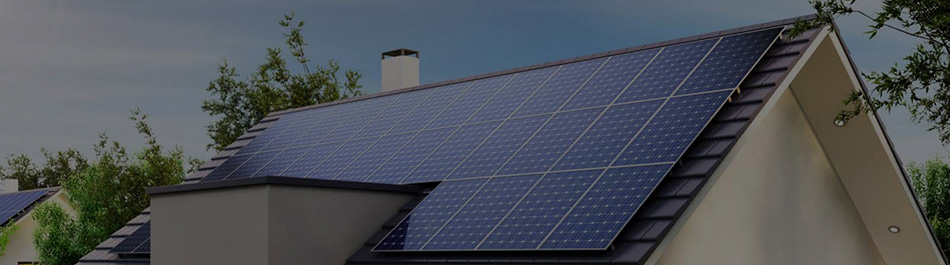
As the global solar photovoltaic (PV) industry grows, the way we evaluate solar projects is changing.
For many years, decision-making across the industry focused primarily on higher module efficiencies and initial power output. The logic was simple: higher wattage translated into better project economics. This approach worked well when solar was still in its rapid expansion phase and system lifetimes were viewed through a shorter-term lens.
As solar projects expand globally, it is evident that efficiency is not the only factor needed. This includes large plants in the United States and rapidly developing markets. Solar assets today are expected to work well for 25 to 30 years or longer. They often face tough environmental conditions.
What matters now is long-term energy production. This includes predictable energy output and stable electrical performance. We need a consistent contribution to the energy system during the whole project lifecycle. This supports modern clean energy systems and helps integrate renewable energy sources.
Why Long-Term Energy Production Matters More Than Ever in Modern Power Grid Systems
Traditional solar panel comparisons still tend to emphasize nameplate power measured under Standard Test Conditions (STC). While STC values provide a standardized benchmark, they do not reflect how PV systems actually operate in the field.
In real-world environments, solar installations are influenced by a wide range of factors, including:
- Ambient temperature and solar radiation variability
- Grid connection constraints within the electrical grid
- Partial shading effects in large solar arrays
- Long-term material fatigue and aging in PV modules


Under these conditions, the total energy produced over 25 to 30 years is more important. This is more significant than short-term peak performance. This is especially true when we look at how much electricity is made over the long term.
For developers, EPCs, and investors, the objective is increasingly straightforward:
◊Produce electricity reliably, cost-effectively, and at scale—year after year—across diverse forms of energy within modern power systems.
This shift in priorities is reshaping how solar technologies are selected and deployed.
N-Type Tiger Neo Technology: A System-Level Upgrade in PV Technology
Rather than being defined by a single innovation, it is a system-level architecture built around real project needs. The goal is not just to have higher initial efficiency. The goal is to improve energy generation for the whole life of a solar asset.
N-Type Tiger Neo technology is a high-performance solar cell solution. It aims to maximize output from renewable sources and lower system-level risk.
By combining advanced cell design, optimized module architecture, and durable materials, N-Type Tiger Neo technology delivers a more stable and predictable performance profile—exactly what long-term projects demand.
N-Type TOPCon Cells for Stable Energy Output
At the core of N-Type Tiger Neo technology are N-type TOPCon (Tunnel Oxide Passivated Contact) cells.
Compared with conventional P-type cells, N-type TOPCon technology offers several critical advantages:
- Lower degradation over time
- Higher voltage stability throughout operation
- More consistent energy output in high-temperature environments

Because N-type cells are less susceptible to light-induced degradation and other long-term loss mechanisms, they maintain their performance more effectively over decades of operation.
For project owners, this translates into more predictable power generation, reduced performance uncertainty, and improved confidence in long-term energy yield forecasts when compared with conventional power generation technologies such as nuclear energy or fossil-fuel-based systems.
Half-Cell Architecture: Optimizing Energy Production
Another key element of N-Type Tiger Neo modules is the half-cell design.
By dividing full-size cells into two smaller halves, half-cell architecture reduces internal resistive losses and improves current flow within the module. This enables:
- Higher energy produced per module
- Better performance under partial shading conditions
- Increased reliability in large-scale solar projects
In real installations—particularly utility-scale systems—partial shading, soiling, and non-uniform irradiance are unavoidable. This directly improves overall energy generation and system resilience, especially in small scale and utility-scale solar projects connected to the wider power grid.
Bifacial Dual-Glass Design: Capturing More Solar Radiation
Bifacial N-type modules further enhance performance through a dual-glass bifacial design.
Bifacial modules can increase energy output. They help produce electricity more efficiently by capturing reflected light. This improves the performance of wind and solar hybrid energy systems. This increase happens without needing more land.
This extra generation is extremely useful in places with high albedo surfaces. These surfaces include sand, concrete, or reflective ground covers.
Dual-glass construction not only boosts energy gains but also enhances strength and durability. This makes these modules very cost-effective for large solar arrays and commercial PV systems.
N-Type vs P-Type Solar Panels: Long-Term Performance Comparison
When comparing N-type TOPCon modules with conventional P-type solar panels, the long-term advantages become increasingly clear:
✔ Slower degradation and longer service life
✔ Better performance in high-temperature environments
✔ Higher lifetime energy production
✔ Lower project risk and reduced Levelized Cost of Energy (LCOE)
From both a technical and financial perspective, these benefits are compelling. Lower degradation rates and more stable output directly reduce uncertainty in long-term revenue models.
N-type PV modules are quickly becoming the top choice for modern energy systems. This is especially true where long-term power reliability is important. It matters more as governments and utilities aim to cut greenhouse gas emissions in their energy plans.
From Technology to Real-World Solar Projects
The advantages of N-Type Tiger Neo technology are not theoretical. They are already being realized in advanced high-power products such as the:
730–750W N-Type Half-Cell Bifacial Solar Photovoltaic Panel


Designed specifically for utility-scale and commercial solar projects, these modules integrate seamlessly into modern power systems that rely on renewable energy sources to replace traditional nuclear power plants and fossil fuel assets:
- High power output of 730–750W
- Strong bifacial gain for increased energy output
- Stable long-term performance across diverse energy systems

By reducing the number of required PV modules for a given capacity, developers can optimize balance-of-system costs, simplify installation, and improve grid integration efficiency.
The Role of N-Type Technology in the Global Energy Transition
As the world accelerates its transition away from fossil fuel–based power generation, solar PV is becoming a cornerstone of clean electricity supply.
Advanced N-type technology plays a critical role in this transition by helping to:
- Strengthen the electrical grid with stable renewable inputs
- Enable large-scale energy generation with lower risk
- Deliver reliable power generation across diverse regions and climates
From utility-scale plants in the United States to emerging solar markets worldwide, N-type modules are shaping the future of solar power deployment.
Conclusion: Building Solar Assets for Long-Term Value
At its core, N-Type Tiger Neo technology is not about chasing short-term efficiency gains or record-breaking nameplate power.
It is about building solar assets that:
- Produce more electricity over time
- Deliver predictable, long-term energy output
- Remain cost effective across decades of operation
By combining advanced PV technology, optimized module design, and a long-term performance mindset, N-type Tiger Neo panels are redefining how solar energy is generated worldwide.
By delivering stable output over decades, N-Type Tiger Neo technology helps produce electricity efficiently from renewable sources, supporting resilient power grid infrastructure and long-term clean energy goals.And that is why N-type solar technology is setting the new standard for long-term energy yield in modern solar projects.
Author's Brief Commentary:
In today's era of high-quality development in photovoltaics, long-term energy output is more valuable than peak efficiency. The N-Type Tiger Neo redefines the long-term return logic of modules through lower degradation, a superior temperature coefficient, and higher bifacial power generation capabilities, providing a more stable and sustainable return foundation for power plant investments.
Website:www.fgreenpv.com
Email:Info@fgreenpv.com
WhatsApp:+86 17311228539
Post time: Feb-27-2026


