




Microgrid System
I. System Composition Overview
A solar energy system typically consists of several key components:
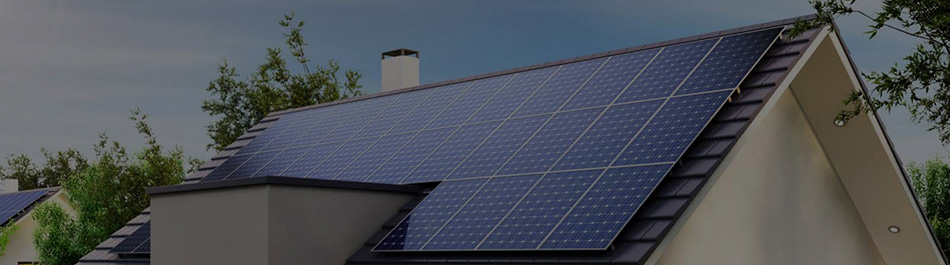
Solar Panels (Photovoltaic Panels): These panels are composed of solar cells that convert sunlight into electricity through the photovoltaic effect. They are the primary component responsible for capturing solar energy.
Inverter: The inverter converts the direct current (DC) electricity generated by the solar panels into alternating current (AC) electricity, which is used to power electrical appliances and devices in homes and businesses.
Battery Storage: Battery storage systems store excess electricity generated by the solar panels during periods of high sunlight for later use when sunlight is not available, such as during nighttime or cloudy days.
Charge Controller: The charge controller regulates the flow of electricity between the solar panels and the battery storage system, ensuring that the batteries are charged safely and efficiently.
Mounting Structure: The mounting structure provides support for the solar panels and ensures that they are securely installed on rooftops or other surfaces to maximize sunlight exposure.
Applications of Solar Energy Systems in Balconies
With the increasing population and limited land resources in many urban areas, high-rise residential buildings have become more prevalent. In such buildings, the installation of solar PV panels on balconies has gained widespread popularity, particularly for powering hot water systems. Balcony-mounted solar PV panels offer a space-efficient solution for harnessing solar energy in densely populated urban environments. Additionally, they contribute to reducing reliance on grid electricity and lowering electricity bills for residents.

II. Core Workflow of the System
1. Prioritized Renewable Energy Generation
During the daytime or when wind resources are abundant: Photovoltaic and wind power systems prioritize power generation, supplying local loads (residential, commercial buildings, factories, etc.) with the generated electricity, reducing dependence on the public grid and achieving local consumption.
2. Intelligent Charging of the Energy Storage System
The energy storage system begins charging when: renewable energy generation exceeds current load demand; or the grid is operating during periods of low electricity prices (off-peak electricity). The energy storage system stores the excess energy for future use, improving energy efficiency.
3. Energy Storage System Discharge to Support Load
The energy storage system enters discharge mode in the following scenarios: nighttime or rainy weather, insufficient photovoltaic power generation/peak electricity consumption periods (peak electricity price)/sudden increase in factory or commercial load. The energy storage system can respond quickly to supply power to the microgrid: peak shaving and valley filling, reducing electricity costs/stabilizing voltage and frequency, improving power quality.
4. Switching Between Grid-Connected and Off-Grid Operation
Grid-connected mode: The microgrid is connected to the public grid/power can flow bidirectionally/power is drawn from the grid when there is a power shortage, and can be supplied to the grid when there is a surplus (if permitted by policy).
Off-grid mode (island operation): When the grid fails or there is a power outage/the energy storage system + distributed power source automatically takes over/ensuring continuous power supply to critical loads (factories, important commercial facilities).
5. Intelligent Dispatch of Energy Management System (EMS)
The EMS collects the following data in real time: photovoltaic and wind power generation/energy storage SOC (battery state of charge)/power demand of various loads/grid status and electricity price information. Based on algorithms and strategies, the EMS... Automated completion: Optimal scheduling of power generation and storage / Minimization of electricity costs / Reduction of carbon emissions and improvement of energy efficiency
If you're interested in learning more about our solar energy storage offerings, we encourage you to explore our product line. We offer a range of panels and battery that are designed for various applications and budgets, so you're sure to find the right solution for your needs.
Website:www.fgreenpv.com
Email:Info@fgreenpv.com
WhatsApp:+86 17311228539


