




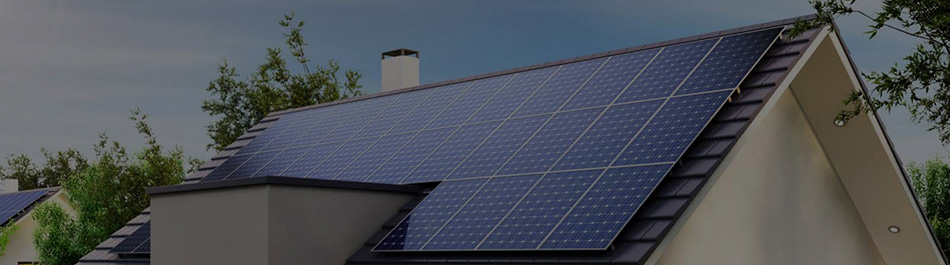
learn more!
With rising electricity prices and limited rooftop access for apartment residents, balcony energy storage has quickly become one of the most discussed home energy solutions across Europe.
But what exactly is a balcony energy storage system, how does it work, and is it really worth installing?
This article explains the technology, real-world use cases, and why more apartment users are adopting balcony energy storage systems today.
I.What Is Balcony Energy Storage?
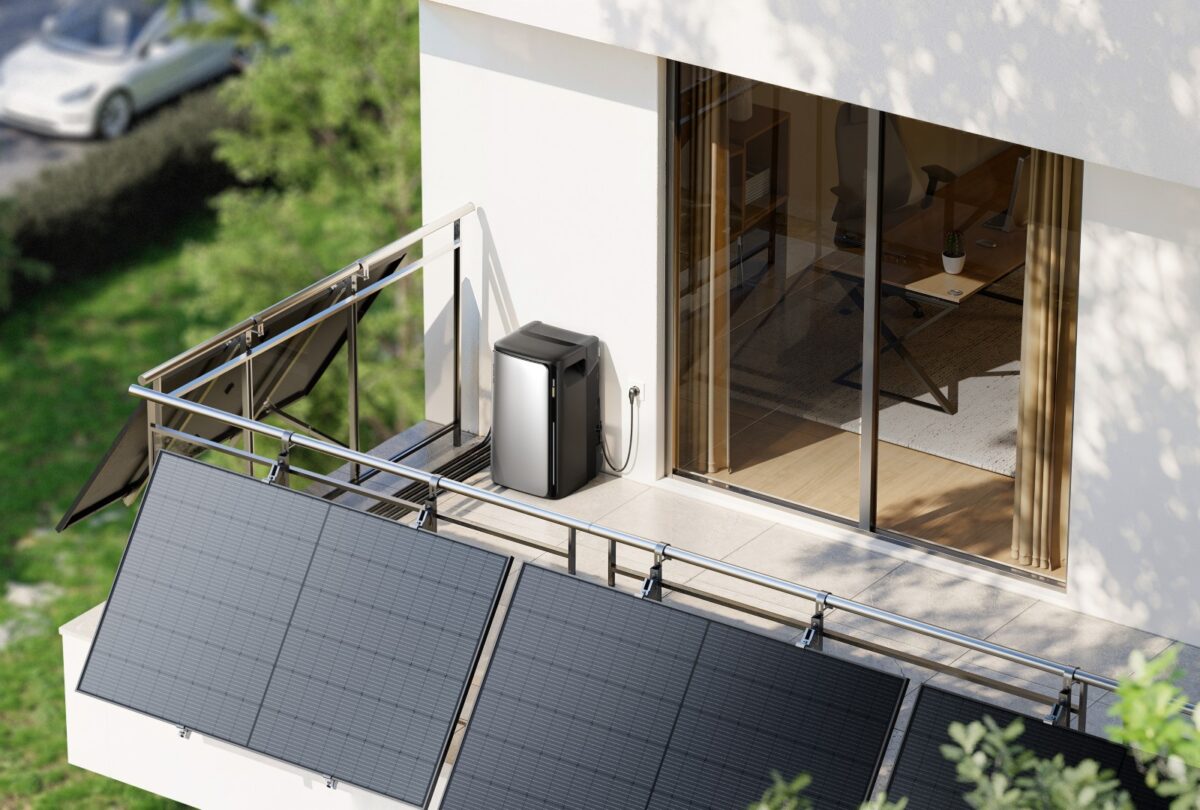
A balcony energy storage system is a plug-and-play home battery solution designed specifically for apartments and small residences.
It typically combines:
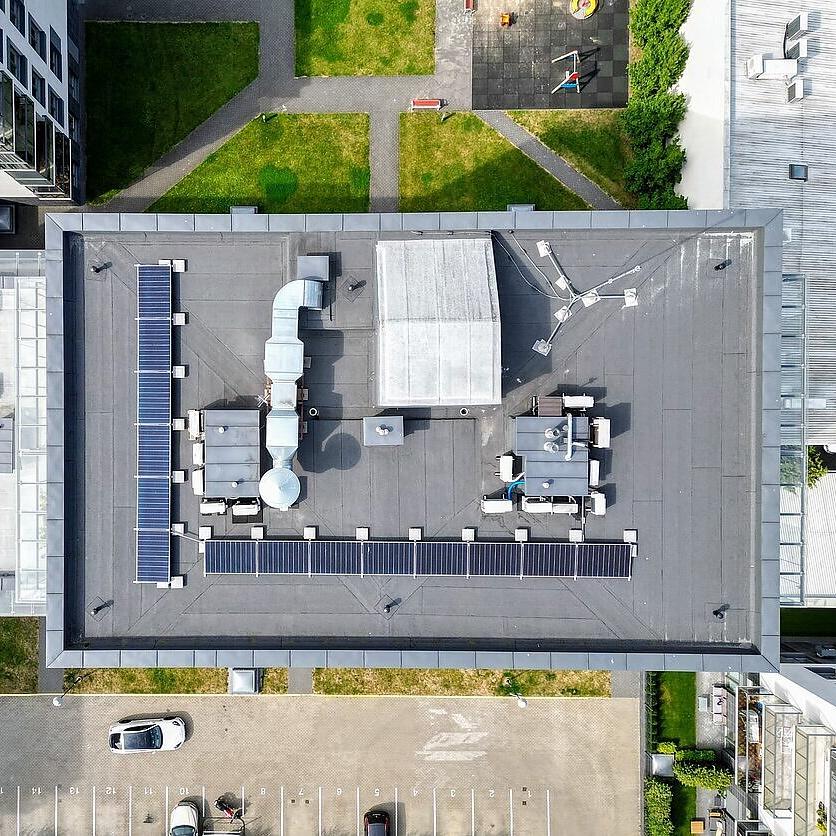
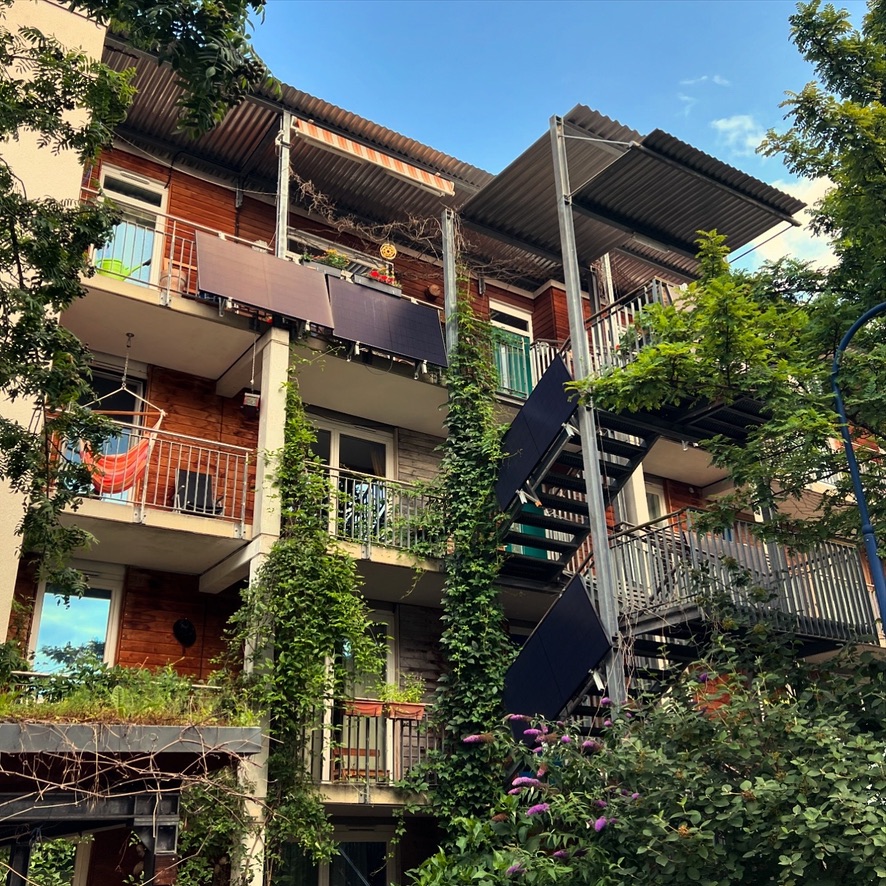
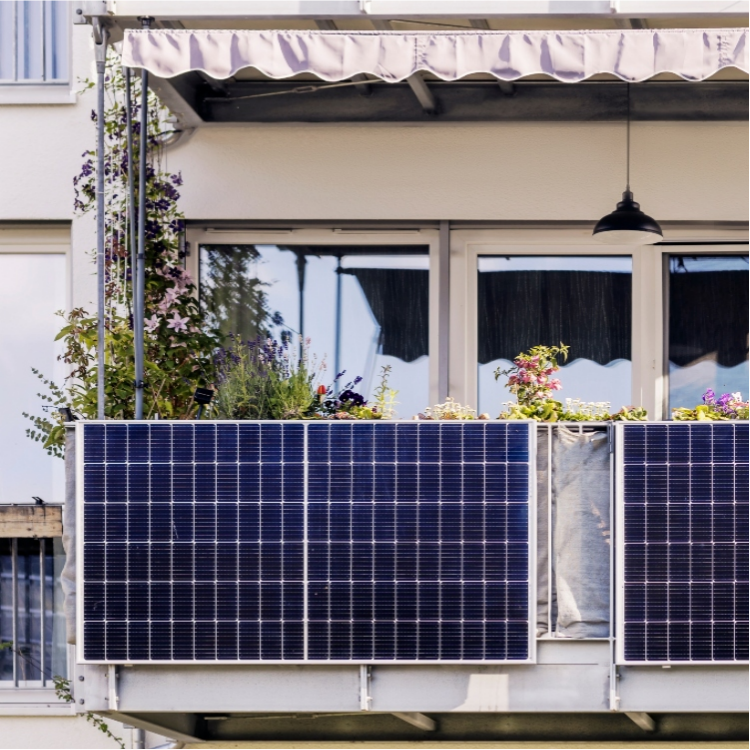
Balcony photovoltaic (PV) panels
A microinverter
A compact LiFePO4 energy storage battery
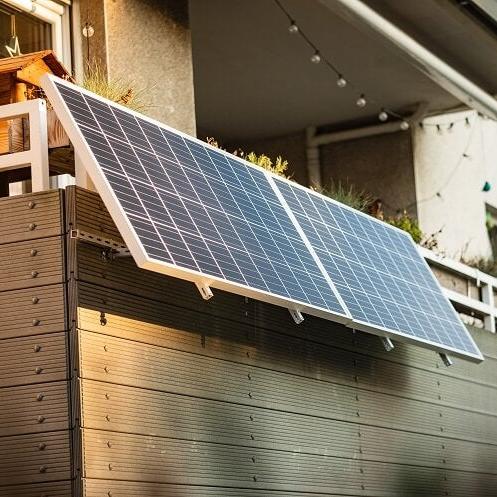
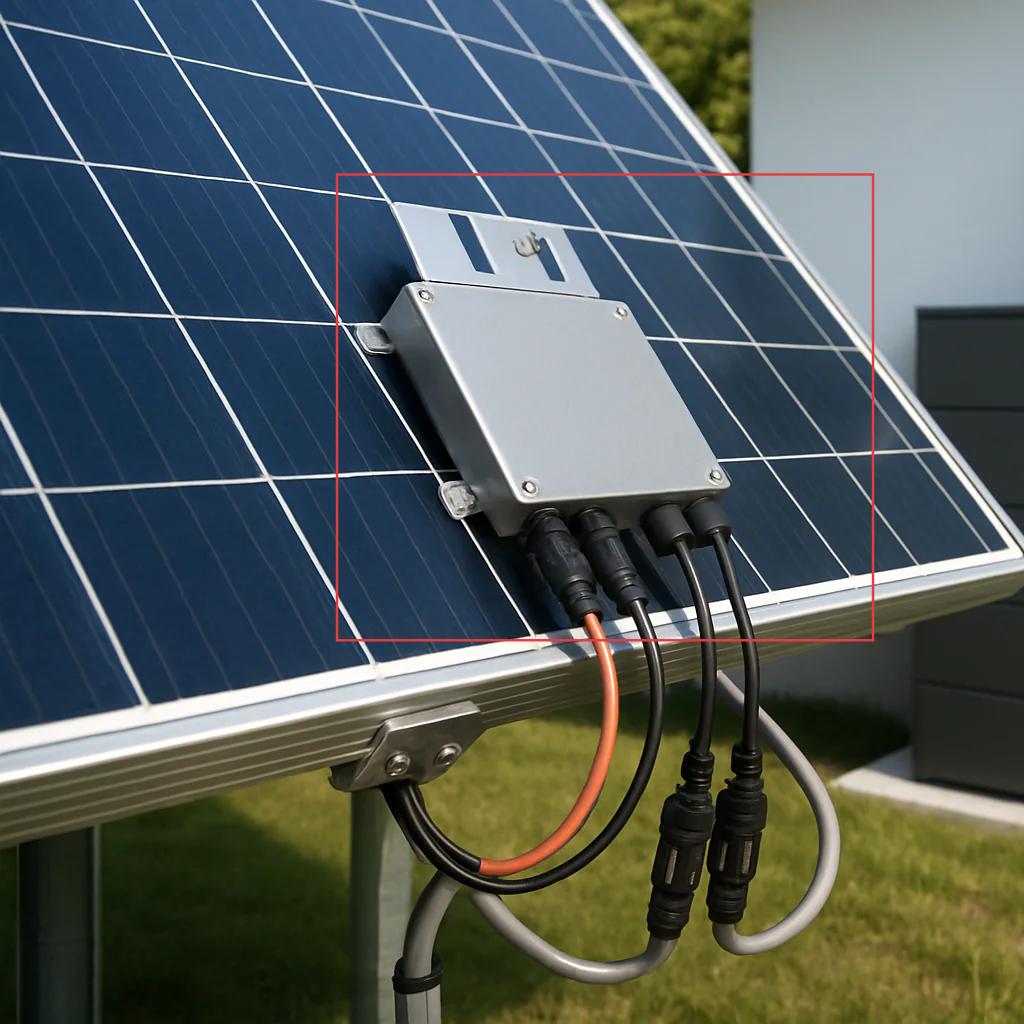
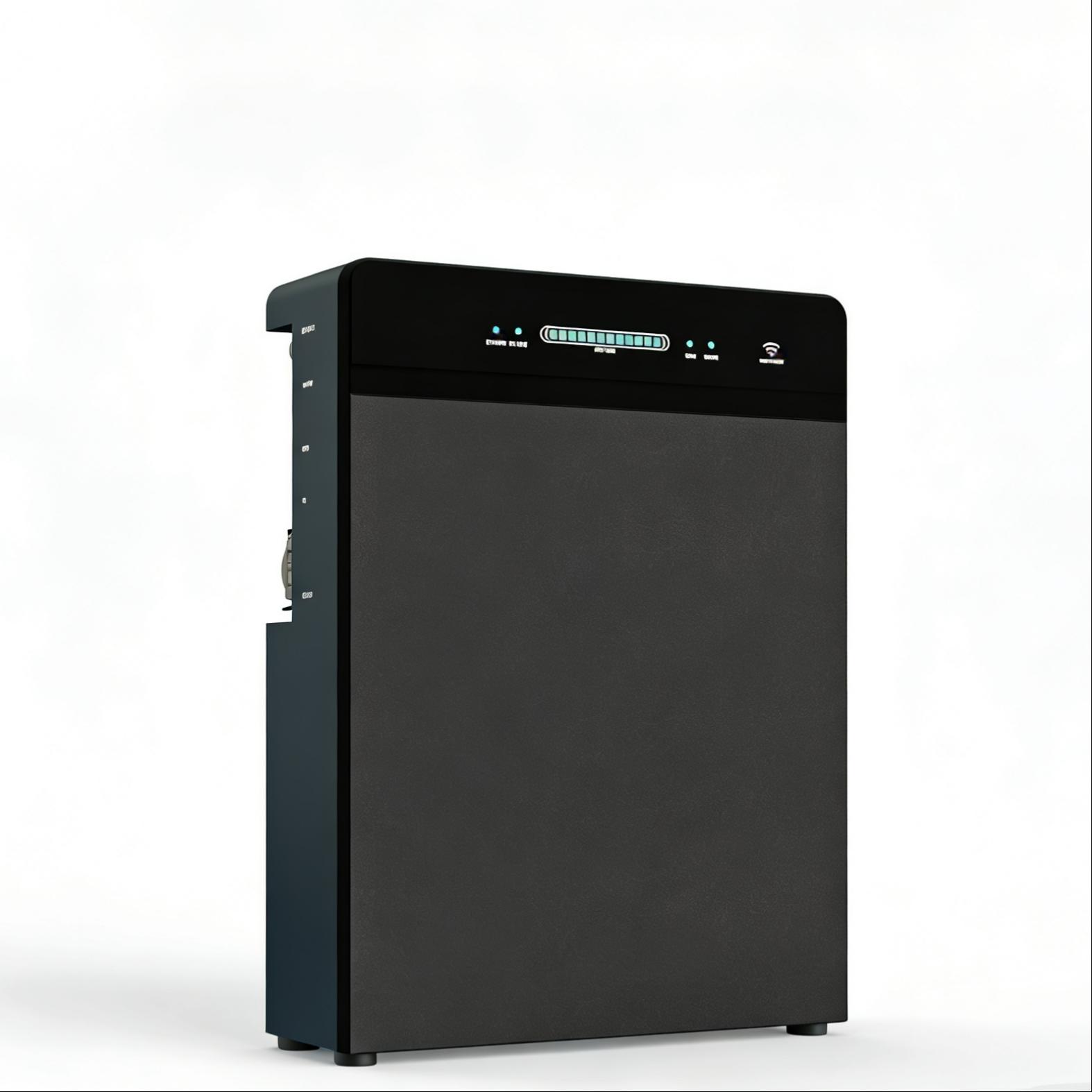
The balcony energy storage system uses balcony or terrace space to generate and store electricity, enabling households to follow a smart energy model of self-generation and self-consumption, with optional grid interaction.
Unlike traditional rooftop solar systems, balcony energy storage does not require structural modification, drilling, or professional installation, making it particularly suitable for renters and urban households.
II.How Does a Balcony Energy Storage System Work?

A standard balcony energy storage system usually consists of:
•PV Modules-------Balcony-mounted solar panels convert sunlight into direct current (DC) electricity, acting as the system’s energy source.
•Energy Storage Battery-------The battery stores excess electricity generated during the day, solving the common issue of high daytime generation and low daytime consumption in apartment households.
•Microinverter-----The inverter converts DC electricity into alternating current (AC) suitable for household appliances, ensuring stable and safe power output.
Through intelligent energy management, the system prioritizes storing solar energy during the day and discharging it during evening peak hours. In regions with time-of-use electricity pricing, the battery can also charge when electricity prices are low and discharge when prices rise.
As a result, users can significantly reduce their reliance on grid electricity and lower overall household energy costs.
III.Why Is Balcony Energy Storage Gaining Popularity in Europe and North America?
Balcony energy storage is experiencing explosive growth, with the global market size projected to increase from approximately €698 million in 2025 to €1.4 billion in 2028, representing a CAGR of 26%.
1. Persistently High Electricity Prices
Unstable electricity prices – From 2023 to 2025, residential electricity prices in the EU remained high. Although there was a slight overall decline, the decrease was limited, and the trend of “high prices becoming the norm” was obvious.
2. Limited Rooftop Access for Apartment Residents
Rooftop use is restricted for renters – Within the EU, approximately 73% of residents in what is defined as "cities" live in flats, while only about 27% live in detached houses. For example, many cities in Italy and Spain are almost entirely comprised of apartments. By 2025, the proportion of the EU's overall population living in apartments is projected to increase slightly from approximately 47.5% to approximately 48%.Balcony energy storage offers a rare legal and accessible alternative.
3. Plug-and-Play Solar Policies
Several European countries allow small-scale plug-and-play solar systems, enabling residents to install balcony PV systems with minimal administrative procedures.
4. Energy Security and Backup Needs
In addition to cost savings, balcony energy storage provides basic backup power during grid instability, adding another layer of household energy security.


IV.Who Is Balcony Energy Storage Suitable For?
1.Balcony energy storage systems are particularly suitable for:
2.Apartment owners and tenants
3.Urban households with limited installation space
4.Users with balcony solar panels
5.Households seeking backup power and lower electricity bills
6.Residents in regions with high or variable electricity pricing
V.Real-World Balcony Energy Storage Case Study (Germany)
Location: Berlin, Germany
Michael, an apartment resident in Berlin, wanted to use solar energy but lacked access to a rooftop. In September 2024, he installed a balcony solar system consisting of two 600W PV panels and a balcony energy storage battery.
After approximately one year of operation, the system reduced his grid electricity consumption by an estimated €180–220 per year, depending on seasonal solar output. Based on local electricity prices and usage patterns, the investment is expected to reach payback within 4–5 years.
This case reflects a typical apartment scenario rather than an idealized outcome.
VI.A Practical Balcony Energy Storage Solution: SR5000
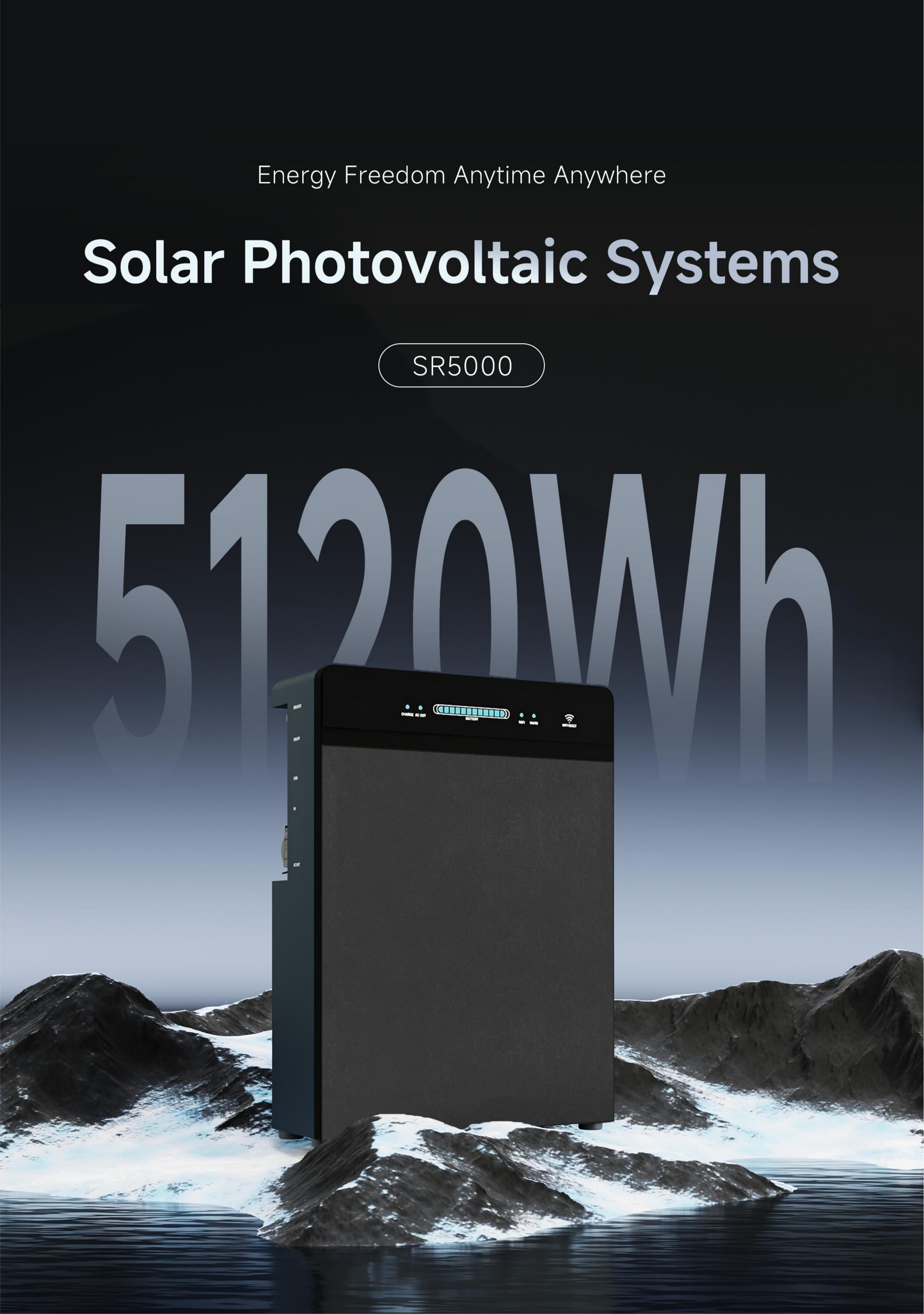
For apartment users seeking a reliable and long-lasting solution, products such as the SR5000 balcony energy storage battery are designed specifically for these use cases.
The SR5000 features:
•5120Wh large capacity for daily household use
•Plug-and-play design with no electrical modifications
•LiFePO4 battery chemistry for enhanced safety and stability
•Over 6000 charge cycles, supporting long-term use
•Low-temperature heating for cold environments
•Mobile app monitoring for real-time energy management
•Support for photovoltaic input and parallel expansion
•Its compact design and minimalist appearance make it suitable for balcony or indoor placement.
FAQ
1. Is a balcony energy storage system suitable for apartments or rental homes?
Yes. Balcony energy storage systems are specifically designed for apartments and rental properties. They areplug-and-play, requireno wall drilling or electrical modification, and can be safely installed on balconies, in storage rooms, or indoor utility areas.
2. Can this household battery work without solar panels?
Yes. A household battery can operatewith or without solar panels. Even without solar, the system can charge from the grid during off-peak hours and discharge during peak electricity prices, helping reduce overall electricity bills.
3. Is it compatible with existing balcony solar systems?
Yes. Most balcony energy storage systems are compatible with mainstream solar panels and micro-inverters, allowing seamless integration with existing balcony solar setups.
4. Can a household battery really save electricity costs?
Yes. By storing surplus solar energy or low-cost grid electricity and using it during high-tariff periods, a household battery significantly reduces reliance on grid power—especially effective in regions with high electricity prices.
5. What is the typical payback period?
The average payback period ranges from3 to 7 years, depending on local electricity prices, usage habits, solar integration, and available government incentives.
6. Are subsidies or incentives available?
In some countries and regions, balcony energy storage and household battery systems may qualify for government subsidies or incentives. Eligibility depends on local regulations and product certifications.
7. Is balcony energy storage safe? Is there a fire risk?
Yes, it is safe. High-quality systems useLiFePO4 (Lithium Iron Phosphate) batteries, widely recognized as the safest lithium battery chemistry due to their high thermal stability and extremely low fire risk.
8. What safety protections are included?
- Overcharge & over-discharge protection
- Over-temperature & low-temperature protection
- Short-circuit & over-current protection
- Intelligent BMS (Battery Management System)
9. What certifications should a household battery have?
Compliant balcony energy storage systems typically carryCE, IEC, UN38.3, and in some marketsVDE / EN50549certifications, ensuring safety, transport compliance, and grid compatibility.
10. How long does a LiFePO4 household battery last?
LiFePO4 household batteries typically support6,000–8,000 cycles, delivering a practical service life of10 years or moreunder normal residential use.
11. Does battery capacity degrade over time?
Yes, all batteries degrade gradually. However, LiFePO4 batteries degrade much more slowly and often retain70–80% usable capacityafter many years of operation.
12. Does the system support app monitoring?
Yes. Most modern balcony energy storage systems supportmobile app monitoring, allowing users to track energy generation, battery status, electricity consumption, and historical data in real time.
13. Is the system noisy?
No. Balcony energy storage systems operate withnear-zero noise, making them ideal for apartment and indoor environments.
14. Is the size and design suitable for balconies?
Yes. These systems are designed withcompact dimensions and modern aesthetics, ensuring they fit well on balconies without compromising living space or visual appeal.
15. What warranty is typically offered?
Most reputable household battery manufacturers provide5–10 years warranty, depending on the product model and usage conditions.
16. What happens if the system fails?
Established brands offer remote diagnostics, technical support, and regional after-sales service to ensure long-term reliability and peace of mind.
Website:www.fgreenpv.com
Linkedin:https://www.linkedin.com/company/95708028/admin/page-posts/published/
Email:Info@fgreenpv.com
WhatsApp:+86 17311228539
Video introduction
Post time: Jan-14-2026


