





How to Choose a Reliable Energy Storage Battery Supplier?
Choosing an energy storage battery supplier is about more than comparing battery prices. For solar installers, distributors, EPC companies, and energy solution providers, the right supplier directly impacts product safety, certification compliance, batch consistency, and long-term project ROI.
So how can B2B buyers determine whether an energy storage battery supplier is truly reliable? This guide provides a practical supplier evaluation framework covering manufacturing capability, battery cells, BMS design, certifications, production capacity, OEM customization, and after-sales support.
Quick Summary: What Makes an Energy Storage Supplier Reliable?
A reliable B2B energy storage battery supplier should demonstrate engineering capability, supply-chain traceability, market-specific compliance, consistent production quality, and responsive technical support.
- Direct Manufacturing & Engineering:
A factory-based supplier can provide greater visibility into production, quality control, engineering support, and customization than a purely trading-based supply chain. - Cell Traceability & Quality Control:
Verify cell chemistry, grade, capacity data, internal resistance, matching procedures, and supporting quality documentation. - System Safety & BMS Architecture:
Evaluate hardware and software protection, temperature monitoring, cell balancing, communication protocols, and system diagnostics. - Market-Specific Compliance:
Confirm which safety, transport, electrical, and grid-related standards apply to the specific product and destination market. - OEM/ODM & Technical Support:
For B2B projects, verify whether the supplier can support branding, system configuration, communication integration, documentation, and long-term technical service.
1. Check the Supplier’s Manufacturing Capability
A reliable energy storage battery supplier should be able to demonstrate where and how its products are assembled, tested, inspected, and prepared for delivery.
For B2B buyers, verifying factory capability is essential as projects scale. A manufacturer with direct control over production can provide clearer visibility into assembly processes, incoming component inspection, quality control, testing, and production coordination.
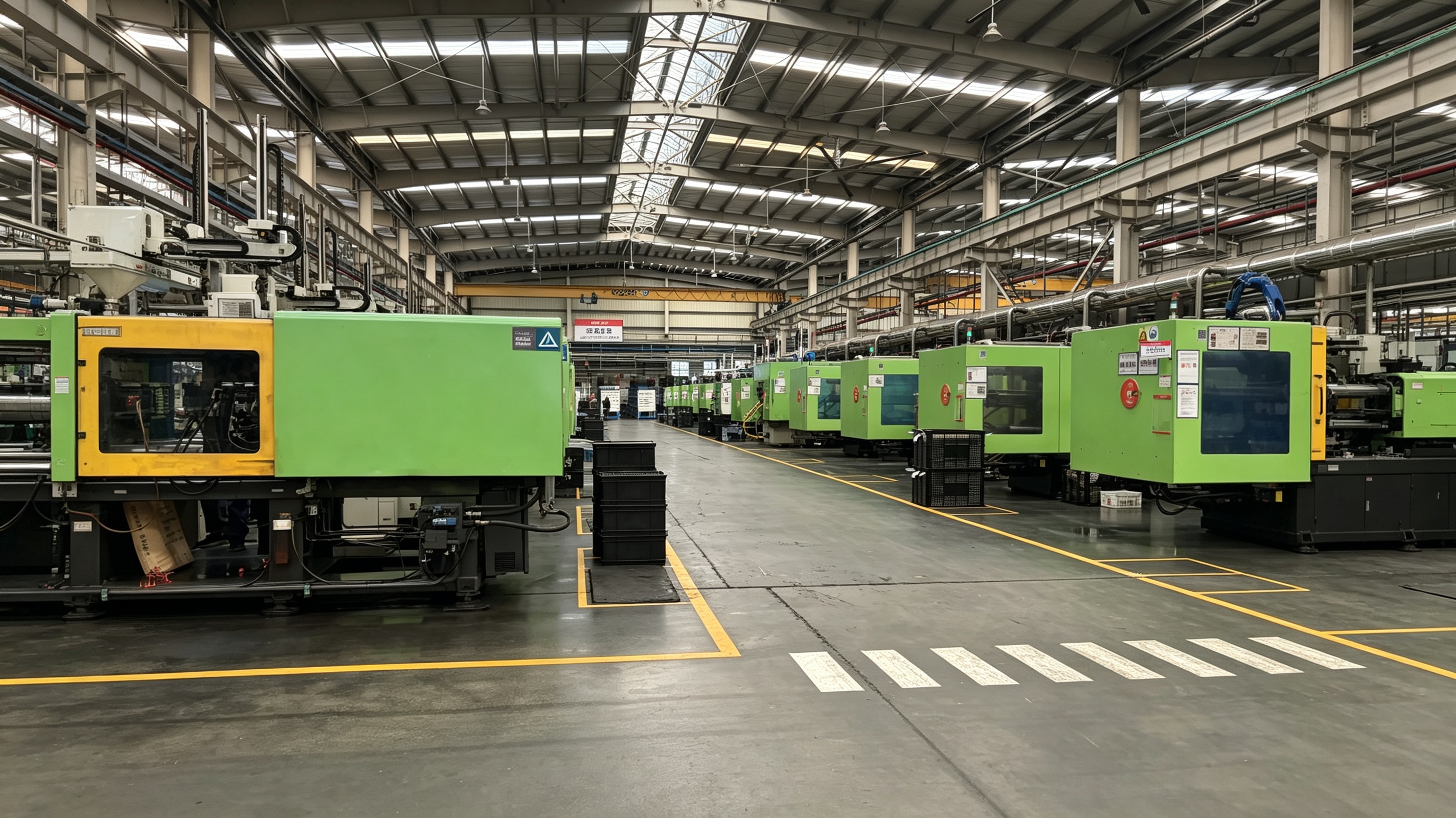
GREEN POWER energy storage battery factory.
Manufacturer vs. Trading Company Evaluation Matrix
| Evaluation Factor | Factory-Based Manufacturer | Trading Company / Sourcing Agent |
|---|---|---|
| Engineering & Customization | Direct access to engineering resources and greater control over product configuration and customization. | Customization may depend on third-party manufacturers and their available configurations. |
| Quality Assurance & Testing | Direct visibility into incoming inspection, assembly quality control, testing, and production records. | Quality control may depend on the contracted factory and the trading company’s inspection process. |
| Technical Communication | Direct communication with engineering and production teams can simplify technical problem resolution. | Technical communication may involve an additional intermediary. |
| Long-Term Supply | Greater visibility into production planning, component sourcing, and repeat-order coordination. | Supply continuity may depend on the selected third-party manufacturer. |
How to Verify a Supplier’s Factory
Do not rely only on the word “factory” in a supplier’s profile. B2B buyers can request factory photographs, production-line information, product testing records, factory audit documentation, and other evidence showing direct manufacturing involvement.
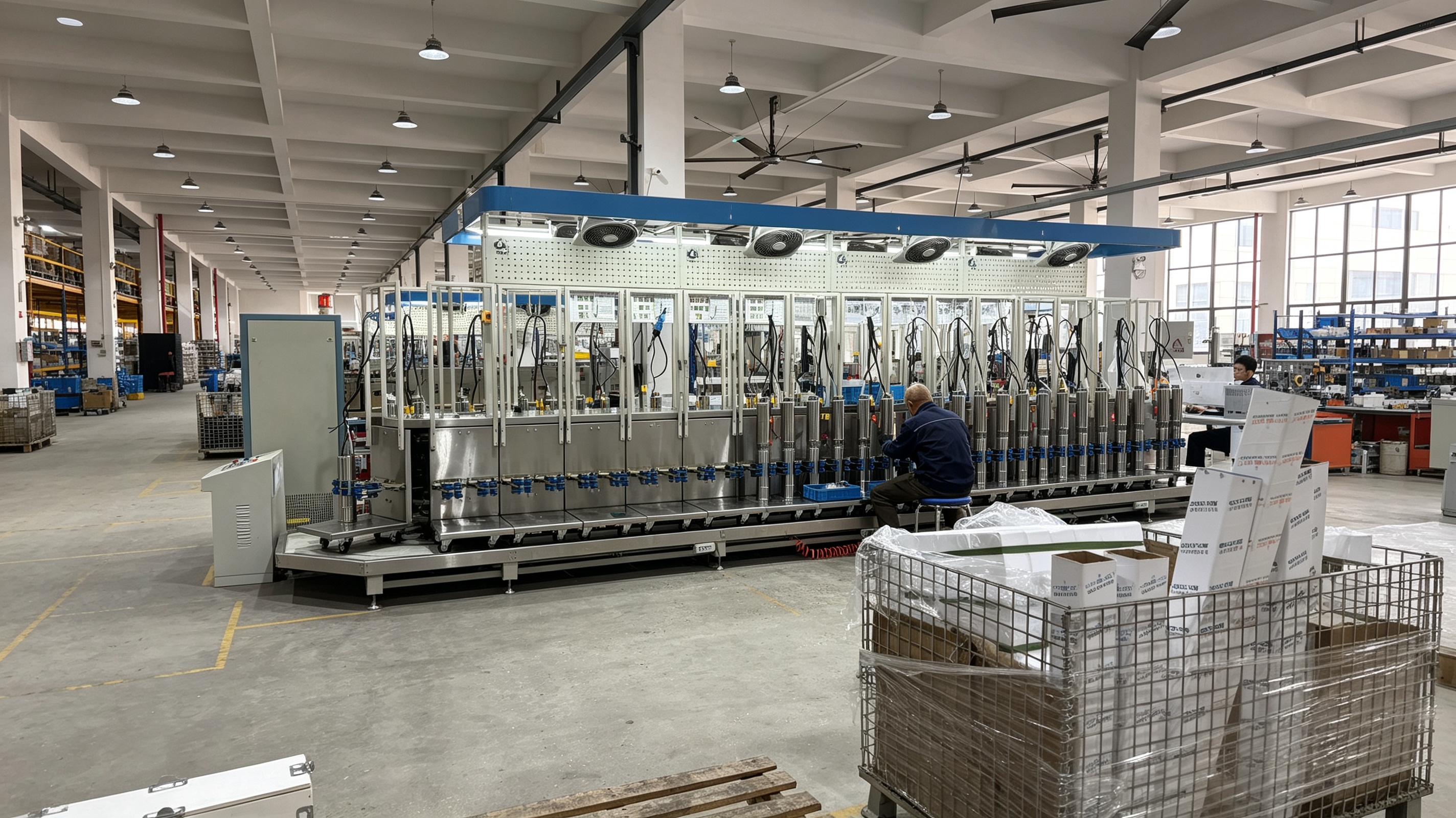
GREEN POWER energy storage battery production line.
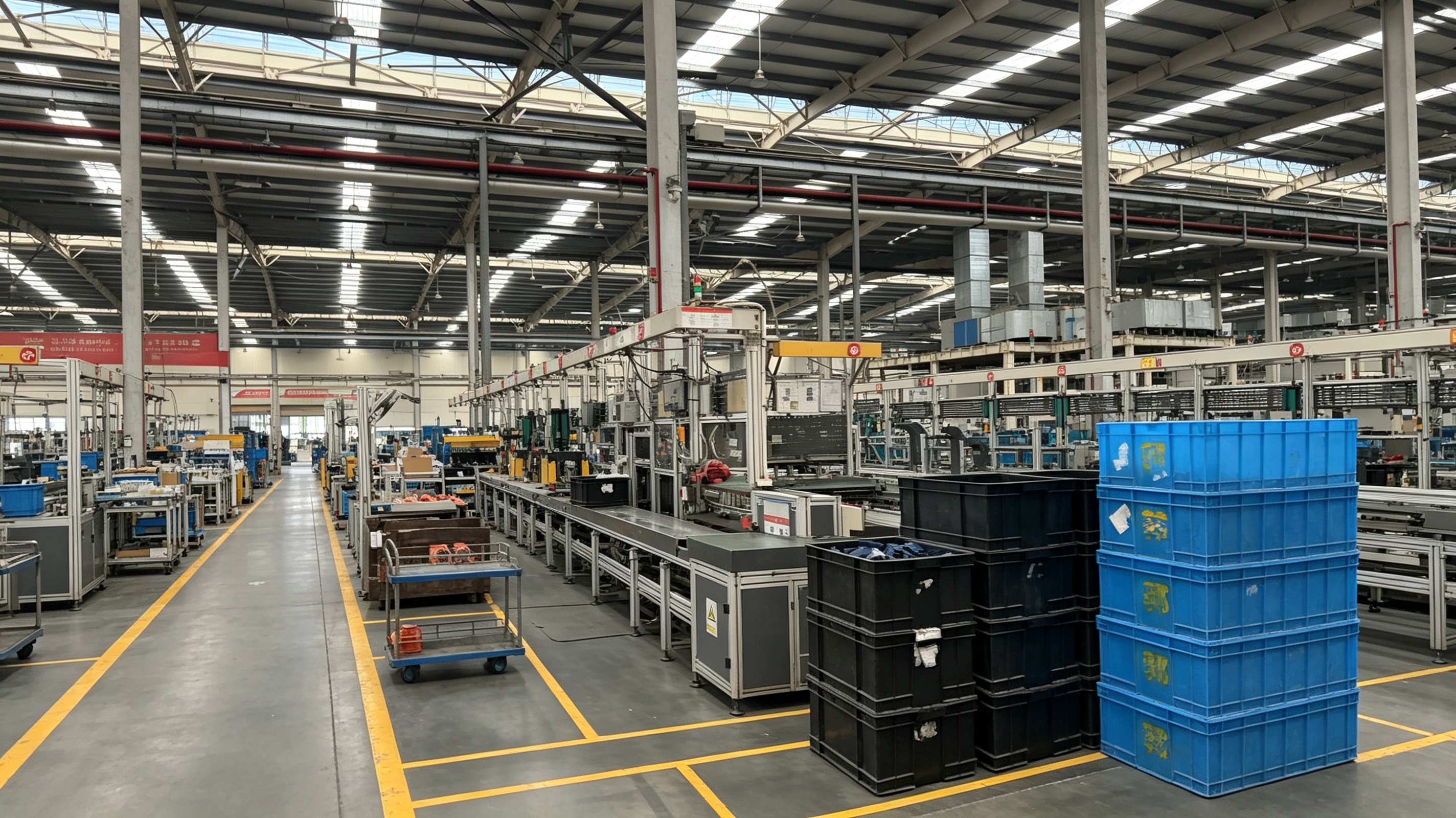
Energy storage battery assembly at GREEN POWER.
GREEN POWER provides direct visibility into its energy storage manufacturing process, including factory operations, production-line assembly, packaging, testing, and warehouse processes.
2. Evaluate Battery Cell Quality and Traceability
Reliable energy storage systems depend on consistent battery cells, controlled pack assembly, and documented quality procedures—not simply a claimed cycle-life number.
Buyers should evaluate the complete cell-selection and matching process. Request documentation covering cell chemistry, grade, capacity, internal resistance, batch information, and quality-control procedures where applicable.
Key Verification Points for B2B Buyers
- Cell Grade & Chemistry:
Confirm the battery chemistry and cell grade used in the specific product. Do not evaluate a battery solely by a generic cycle-life claim. - Cell Matching Standards:
Ask whether cells are evaluated and matched according to relevant electrical parameters such as voltage, resistance, and capacity before pack assembly. - Quality Documentation:
Request available cell specifications, inspection records, test reports, and traceability information for the product being purchased. - System Flexibility:
Verify whether the supplier offers configurations suitable for residential storage, all-in-one systems, and commercial & industrial applications.
For example, GREEN POWER offers a 15 kWh All-in-One energy storage system combining battery storage and an integrated inverter architecture for residential and distributed energy-storage applications.
Explore the 15 kWh All-in-One Energy Storage System →
3. Examine BMS Architecture and Safety Mechanisms
The Battery Management System (BMS) is a critical part of an energy storage system because it monitors battery conditions, manages protection functions, and supports communication with other system components.
For system-level applications, buyers should review the architecture connecting:
Battery Cells → BMS → PCS/Inverter → EMS → Safety Monitoring.
- Multi-Layer Protection:
Evaluate protection functions such as over-voltage, under-voltage, over-current, short-circuit, and temperature monitoring. - Communication Compatibility:
Confirm the communication interfaces and protocols required for the target inverter, PCS, EMS, or monitoring platform, such as CAN, RS485, or Modbus where supported. - State Diagnostics:
Check whether the system provides relevant State of Charge (SOC), State of Health (SOH), alarm, and fault information. - System Integration:
For C&I applications, verify how the BMS communicates with PCS, EMS, thermal management, and other safety-related components.

Energy storage battery testing at GREEN POWER.
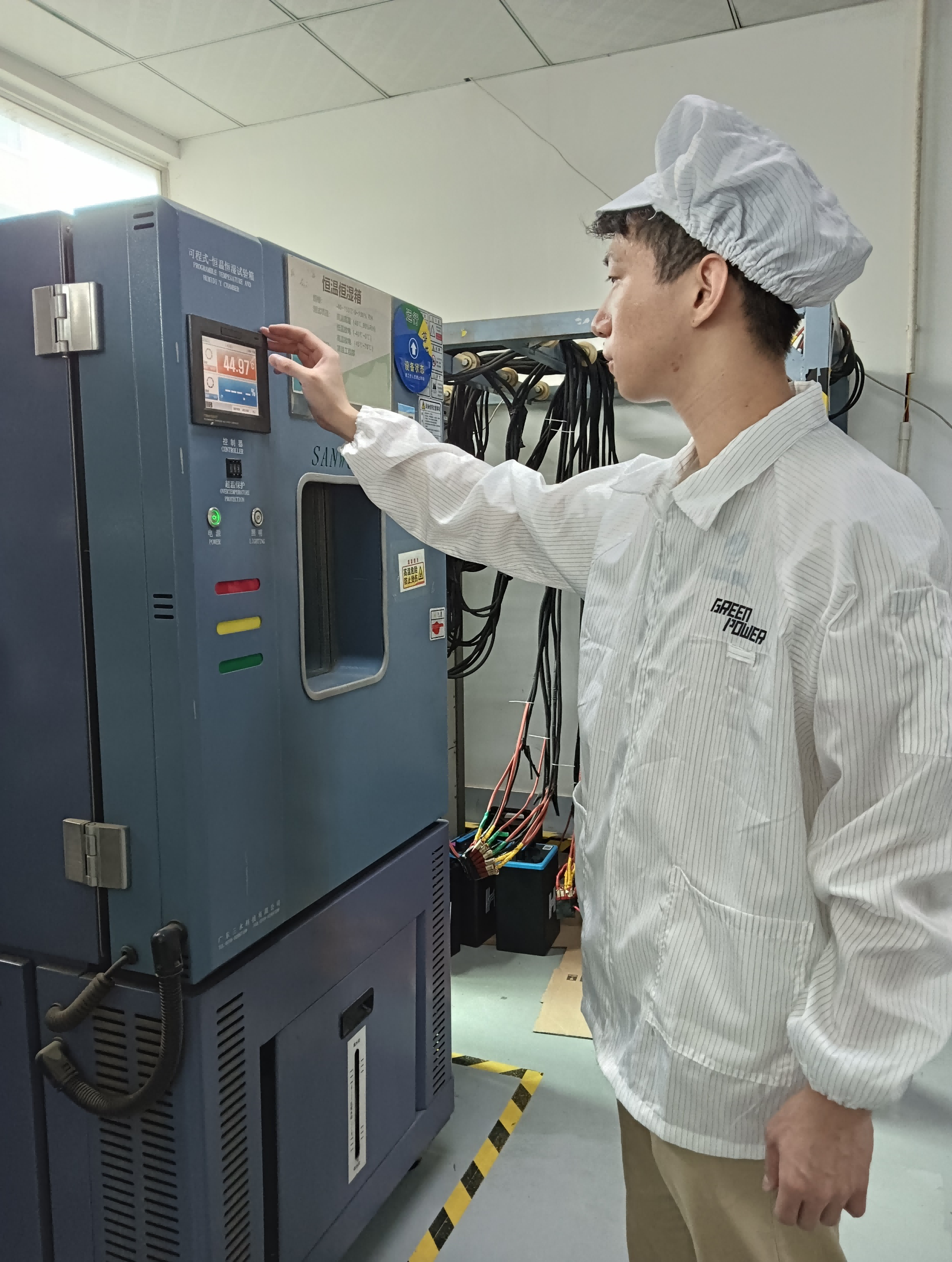
GREEN POWER product quality control and testing.
Pro Procurement Tip:
Ask the supplier how firmware updates, fault diagnostics, commissioning support, and remote monitoring are handled for the specific product. The exact capabilities should be confirmed against the product’s technical documentation.
4. Verify Market-Specific Certifications and Compliance
A reliable energy storage battery supplier should provide compliance documentation appropriate to the specific product, application, transportation requirements, and destination market.
Certification requirements vary according to the battery system, installation environment, electrical configuration, transportation method, and local regulations. Buyers should therefore request the actual certificates and test reports for the product they intend to purchase.
- Industrial & Stationary Battery Safety:
Standards such as IEC 62619 may be relevant to industrial and stationary lithium battery applications.
Learn about IEC 62619 - North American ESS Requirements:
Depending on the project and jurisdiction, standards such as UL 9540 and UL 1973 may be relevant to energy storage systems and battery systems.
View UL Energy Storage System Testing and Certification - Transportation Compliance:
For lithium battery transportation, buyers should verify applicable transport testing and documentation, including UN 38.3 where applicable. - Regional Product Compliance:
Confirm whether CE marking, EMC requirements, electrical safety requirements, grid-interconnection requirements, or other local standards apply to the specific system.
Read our technical guide on Energy Storage Battery Standards and Safety to understand the wider compliance landscape.
5. Assess Production Lead Time and Scalability
A reliable energy storage battery supplier should be able to maintain consistent quality while supporting the order volume and delivery schedule required by your projects.
For distributors, installers, and EPC companies, supplier capacity becomes increasingly important when moving from samples to repeat orders or larger projects.
What B2B Buyers Should Verify
- Production Capacity:
Ask about production capability relevant to your expected order volume rather than relying only on a general factory capacity statement. - Batch-to-Batch Consistency:
Ask how incoming materials, assembly processes, testing, and final inspection are controlled across production batches. - Sample-to-Mass-Production Process:
Clarify how the approved sample is transferred into mass production and how engineering changes are controlled. - Lead-Time Planning:
Confirm sample lead times, production lead times, shipping preparation, and the supplier’s process for handling repeat orders.
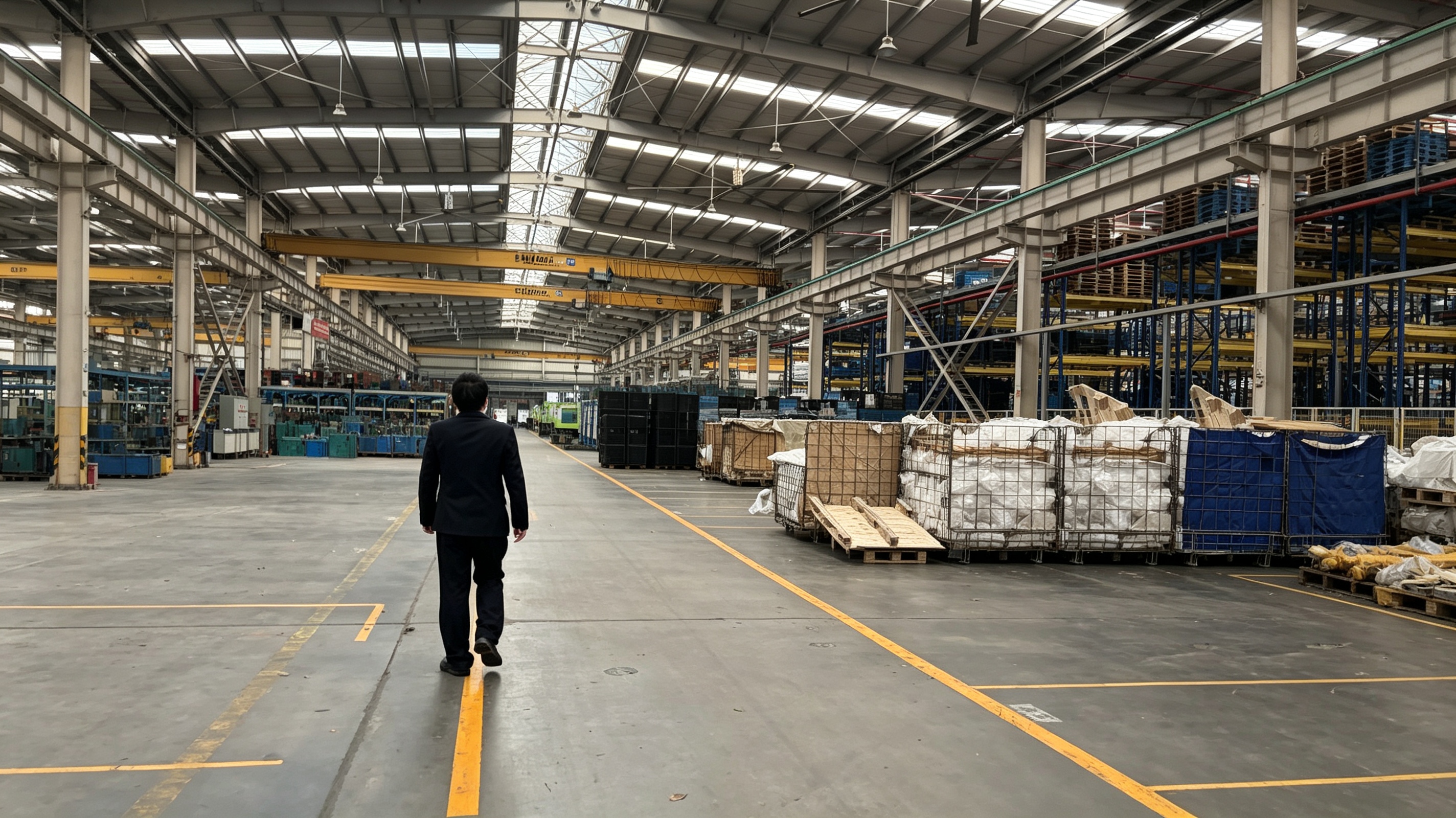
GREEN POWER energy storage battery warehouse.
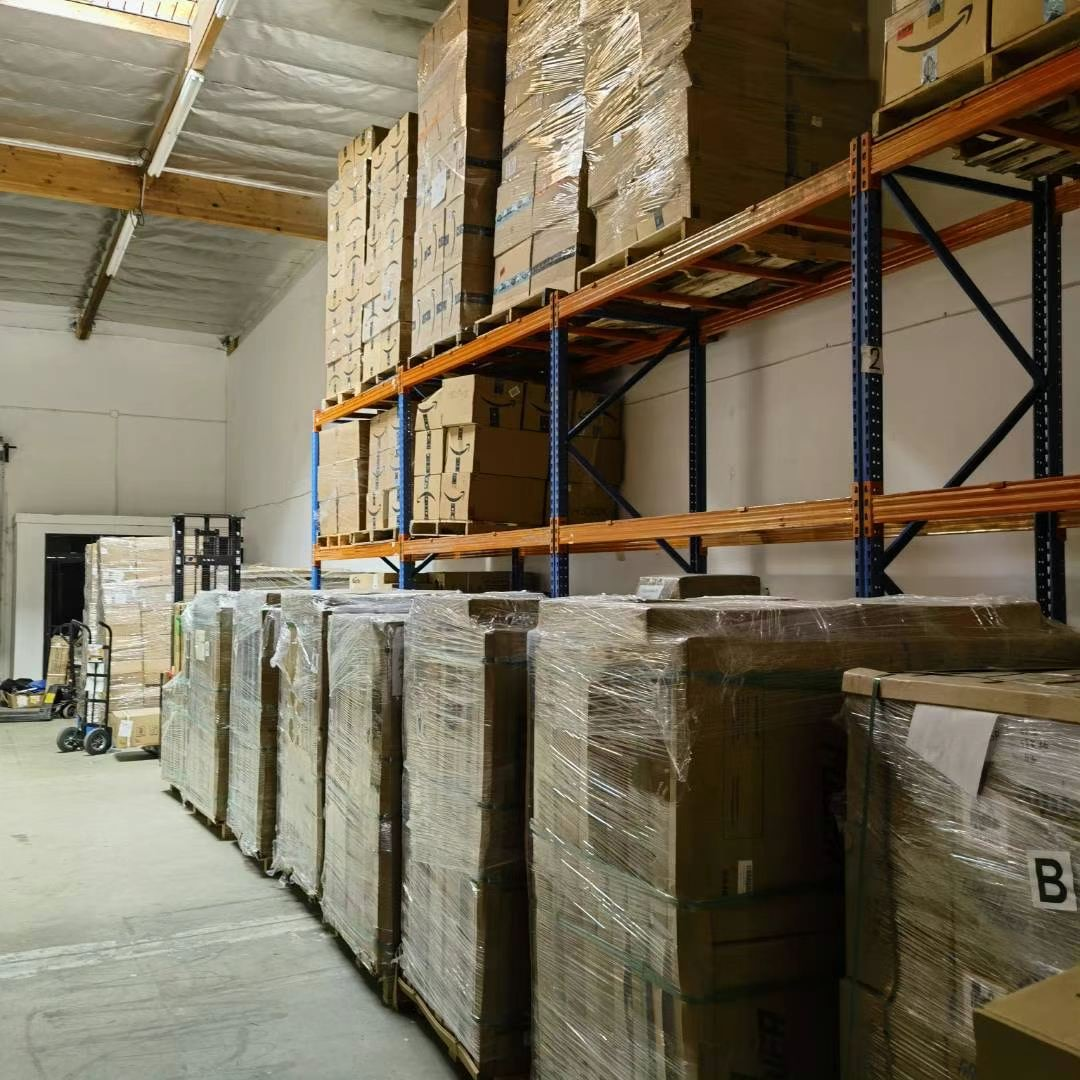
Real-life view of an overseas warehouse supporting energy storage product distribution.
6. Evaluate OEM, ODM, and Customization Support
OEM and ODM capability can help B2B distributors, installers, and energy solution providers adapt energy storage products to their branding, technical requirements, and target markets.
Before selecting a supplier, confirm which customization options are actually available for the specific product and order quantity.
- Branding & Packaging:
Private labeling, product branding, packaging, labels, and user documentation where supported. - Hardware & Configuration:
Verify available battery capacity configurations, enclosure options, system architecture, and other product-level customization possibilities. - Communication Integration:
Confirm required communication interfaces and protocol compatibility with the target inverter, PCS, EMS, or monitoring system. - Documentation:
For localized projects, check whether manuals, labels, technical documents, and other customer-facing materials can be adapted to market requirements.
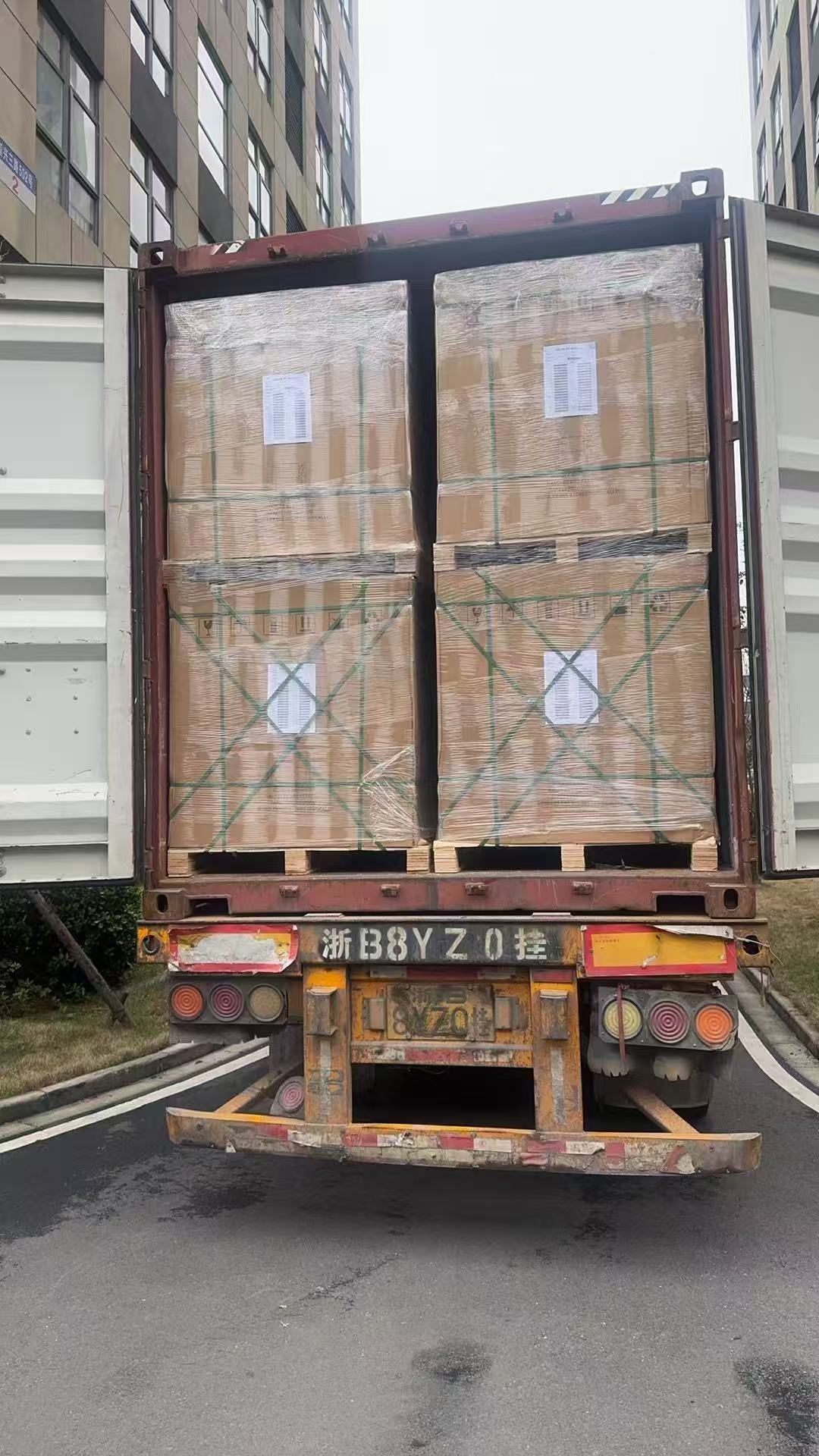
GREEN POWER OEM/ODM capabilities for B2B energy storage projects.
Integrated Energy Storage Solutions by GREEN POWER
GREEN POWER provides energy storage solutions across residential, all-in-one, and commercial & industrial applications, giving B2B buyers multiple system options for different project requirements.
Residential Stackable ESS
Modular residential energy storage systems for solar self-consumption and backup applications.
15 kWh All-in-One System
An integrated battery and inverter architecture designed to simplify system installation and deployment.
C&I Energy Storage Systems
Commercial and industrial energy storage solutions for applications such as peak shaving, energy management, and microgrid projects.
7. Review Warranty Terms and Lifecycle Technical Support
A reliable supplier should provide clear warranty conditions, technical support procedures, and a defined process for handling product issues throughout the agreed service period.
Do not compare suppliers only by the number of warranty years or claimed cycles. B2B buyers should review the actual warranty document and understand the conditions behind performance guarantees.
- Warranty Scope:
Confirm the warranty period, performance conditions, throughput or cycle conditions if applicable, exclusions, and required operating conditions. - RMA & Replacement Policy:
Check procedures for fault diagnosis, component replacement, return authorization, and spare-parts support. - Technical Support Channels:
Confirm who handles commissioning, system integration, troubleshooting, and technical escalation after delivery. - Documentation:
Ensure warranty terms are provided in written contractual or official documentation rather than relying only on sales quotations.
B2B Supplier Evaluation Checklist
Use this practical checklist during supplier audits, RFP evaluations, and purchasing discussions:
| Key Category | Audit Checklist Points | Target Outcome |
|---|---|---|
| Manufacturing | Factory location, production lines, assembly processes, quality-control procedures, and testing capability | Direct visibility into manufacturing capability |
| Cell Sourcing | Cell chemistry, grade, capacity data, resistance data, matching procedures, and available traceability | Consistent battery-pack performance |
| BMS & Firmware | Protection functions, balancing, temperature monitoring, communication interfaces, diagnostics | Safe operation and system compatibility |
| Compliance | Product-specific certificates, applicable IEC/UL/CE requirements, UN 38.3 documentation, and local regulations | Regulatory and market-entry readiness |
| OEM / Customization | Private labeling, configuration options, enclosure requirements, communication integration, and documentation | Project-specific and market-specific solutions |
| After-Sales & Warranty | Written warranty terms, RMA process, spare-parts support, commissioning assistance, and technical contacts | Lower long-term service risk |
Why Partner with GREEN POWER as Your Energy Storage Supplier?
GREEN POWER provides factory-direct energy storage solutions for distributors, installers, EPC companies, and energy solution providers looking for scalable B2B supply and OEM/ODM cooperation.
- Direct Manufacturing:
Factory-based assembly, production, testing, packaging, and warehouse operations provide visibility across key manufacturing stages. - Multiple Energy Storage Applications:
Solutions cover residential energy storage, All-in-One systems, and commercial & industrial energy storage applications. - Integrated System Capability:
Depending on the product, energy storage systems can integrate battery storage, BMS, inverter/PCS, and other system components. - OEM/ODM Support:
GREEN POWER provides OEM/ODM capabilities for qualified B2B projects, including branding and product-level customization options. - Quality & Testing Focus:
Product quality control and testing processes support consistent manufacturing and project delivery.
Explore GREEN POWER Commercial & Industrial Energy Storage Solutions →
Looking for a Reliable Energy Storage Battery Partner?
Connect with GREEN POWER to discuss wholesale energy storage supply, OEM/ODM requirements, product specifications, or technical solutions for your upcoming solar and energy storage projects.
Frequently Asked Questions (FAQ)
How do I distinguish between an actual energy storage manufacturer and a trading company?
Verify the supplier’s manufacturing involvement by requesting factory information, production-line evidence, quality-control documentation, product testing records, and other supporting materials. Buyers should also confirm whether technical questions can be addressed directly by the supplier’s engineering team and whether the supplier controls the relevant manufacturing process.
What specific certifications are required for lithium batteries in Europe vs. North America?
Requirements depend on the product, application, installation environment, transportation method, and local regulations. For industrial and stationary lithium battery applications, standards such as IEC 62619 may be relevant. In North America, standards such as UL 9540 and UL 1973 may apply depending on the system and project requirements. Buyers should request product-specific certification and test documentation.
Does GREEN POWER support OEM/ODM customization and protocol matching for third-party inverters?
GREEN POWER provides OEM/ODM capabilities for qualified B2B projects. Available customization and communication integration options depend on the product and project requirements, so buyers should confirm branding, enclosure, configuration, and CAN/RS485 or other protocol requirements during technical evaluation.
Why is cell voltage and internal resistance matching important during battery assembly?
Cells with different electrical characteristics can behave differently during charging and discharging. Evaluating and matching relevant cell parameters before pack assembly can help improve pack consistency and support more balanced battery operation. Buyers should request the supplier’s actual cell-selection and quality-control procedures rather than relying on a generic cycle-life claim.
What warranty coverage should I expect from a high-quality energy storage supplier?
A reliable supplier should provide clearly documented warranty terms covering the applicable warranty period, performance conditions, exclusions, RMA procedures, and technical support. Cycle-life or throughput guarantees may vary by product and operating conditions, so buyers should review the official warranty documentation for the specific system being purchased.
Conclusion
Selecting a reliable energy storage battery supplier requires more than comparing initial hardware costs. B2B procurement teams should evaluate manufacturing capability, cell quality and traceability, BMS architecture, market-specific compliance, production scalability, OEM/ODM capability, warranty conditions, and long-term technical support.
The strongest supplier evaluation process is evidence-based: verify what the supplier claims, review product-specific documentation, inspect manufacturing and testing capability, and match the supplier’s products and technical resources to your actual project requirements.
For distributors, solar installers, EPC companies, and energy solution providers, this approach can reduce supplier risk while creating a stronger foundation for long-term energy storage projects and repeat orders.
Evaluate Your Energy Storage Supply Options
Looking for residential, All-in-One, or commercial & industrial energy storage solutions?
Post time: Sep-14-2026


