




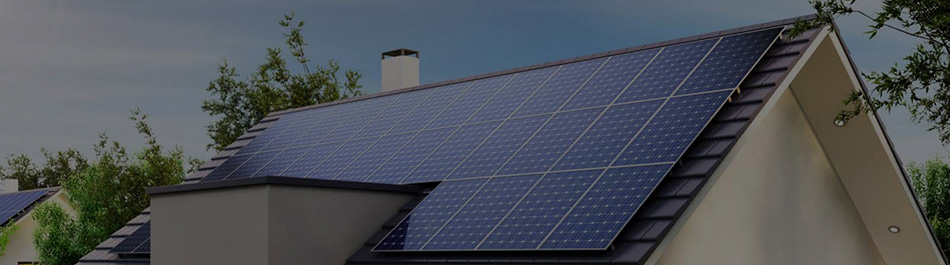
Irrigation is one of the most important electrical loads on many farms. Water pumps may need to operate for extended periods, while greenhouses, farm processing equipment, refrigeration, lighting, and remote pumping stations can also require stable electricity.
For agricultural sites with limited or unreliable grid access, solar generation combined with battery storage can provide a more flexible power architecture.
Agricultural energy storage is not simply a backup battery. When properly designed, it can help coordinate solar generation, battery charging, and irrigation loads so that electricity is available when the farm needs it.
Battery storage is also increasingly important to renewable-energy integration more broadly. The International Energy Agency (IEA) describes batteries as an important source of electricity flexibility and notes their ability to store renewable electricity and shift energy to periods of higher demand.
Why Agricultural Irrigation Needs Reliable Power
Water infrastructure is only useful when the equipment that moves water can operate reliably.
Irrigation pumps frequently use electric motors. This means the power system must support both the pump's normal operating load and, depending on the motor and starting method, the additional electrical demand that may occur during startup.
An agricultural power system should therefore be designed around the complete load profile rather than battery capacity alone.
Important parameters include:
- Continuous pump power
- Motor starting requirements
- Daily operating hours
- Irrigation schedule
- Required water flow and pressure
- Available solar generation
- Battery usable capacity
- Required backup or reserve time
How Solar Energy Storage Supports Irrigation
A solar-plus-storage irrigation system can connect several components into one coordinated power system:
Solar PV → Power Conversion → Battery Storage → Irrigation Load
During periods of solar generation, PV electricity can supply the pump and other electrical loads. When solar generation exceeds immediate demand, available energy can be stored in the battery.
Stored energy can then be used later when solar production is lower or when the farm requires electricity outside daylight hours.
GREEN POWER's Smart Agricultural Irrigation solution combines photovoltaic generation, energy storage, pumping equipment, and smart controls. The company's solution page describes a system in which stored solar energy is managed according to demand while irrigation timing and volume can be adjusted according to environmental and crop conditions.
Why Battery Storage Adds Flexibility
Solar generation and irrigation demand rarely have perfectly matched schedules.
For example, a farm may produce substantial PV electricity around midday while irrigation is required in the early morning or evening. Battery storage can shift some of the available energy from the time of generation to the time of use.
A simplified operating sequence can look like this:
- PV generation supplies agricultural loads during daylight hours.
- Surplus PV electricity charges the battery.
- The battery stores energy for later use.
- Stored electricity supports irrigation and other loads when PV output is insufficient.
The value of this approach depends on the actual load profile. A farm that operates pumps mainly during sunny hours may need less storage than a farm that requires pumping throughout the evening or overnight.
How to Estimate Battery Capacity for Irrigation
An initial energy estimate can be made from the pump's power and operating time.
Required battery energy ≈ Pump power × Operating hours ÷ System efficiency
Consider an illustrative irrigation load of 10 kW operating for 8 hours:
10 kW × 8 hours = 80 kWh
If an overall system efficiency assumption of 90% is used for preliminary planning:
80 kWh ÷ 0.90 ≈ 89 kWh
This calculation is only a starting point. It does not mean that an 89 kWh battery should automatically be installed.
Actual system design should also consider:
- Usable battery capacity
- Depth-of-discharge limits
- Battery temperature and environmental conditions
- Inverter efficiency
- PV generation profile
- Motor starting requirements
- Reserve or backup requirements
- Future load growth
Battery Capacity and Inverter Power Are Different
One of the most common mistakes in energy-storage planning is treating battery capacity and inverter output as interchangeable specifications.
Battery capacity is normally expressed in kilowatt-hours (kWh), describing how much electrical energy the battery can store.
Inverter output is normally expressed in kilowatts (kW), describing how much power the system can deliver at a given moment.
For example, a system may contain a large battery but still be unable to operate a pump if the inverter does not support the pump's instantaneous power requirement.
For this reason, agricultural energy-storage projects should evaluate energy capacity and power capacity separately.
Managing Irrigation Pump Motor Loads
Irrigation pumps frequently use electric motors, making motor characteristics an important part of system design.
Before selecting an inverter or battery system, project engineers should obtain the pump motor specifications and check:
- Rated motor power
- Starting current or starting method
- Operating voltage
- Single-phase or three-phase configuration
- Frequency requirements
- Expected duty cycle
- Protection and control requirements
A system designed only around the pump's steady-state running power may not perform correctly if motor-starting demand exceeds the available inverter capability.
Solar Energy Storage vs. Diesel Backup
Diesel generators remain useful for agricultural and remote applications because they can operate whenever fuel is available. However, they also require ongoing fuel purchasing, transportation, storage, engine maintenance, and exhaust management.
Solar-plus-storage systems use a different operating model. Solar generation can provide daytime electricity while battery storage can shift energy to periods when PV production is lower.
| Factor | Solar + Battery Storage | Diesel Generator |
|---|---|---|
| Energy source | Solar generation and stored electricity | Diesel fuel |
| Fuel logistics | No routine fuel delivery for solar generation | Requires fuel supply and storage |
| Night operation | Possible through battery storage | Possible while fuel is available |
| Noise | No combustion engine during battery operation | Engine noise during operation |
| System flexibility | Can combine PV, battery and grid or backup sources | Primarily fuel-based generation |
In many projects, the most practical answer may also be a hybrid architecture rather than choosing a single technology. The final design should reflect local electricity availability, fuel costs, operating schedules, reliability requirements, and project economics.
Agricultural Energy Storage Beyond Irrigation
Irrigation pumps are only one possible agricultural load.
Energy storage can also support other applications where reliable electricity is important, including:
- Greenhouse climate-control equipment
- Farm lighting
- Cold storage and refrigeration
- Agricultural processing equipment
- Communication and monitoring systems
- Remote charging infrastructure
This means a suitably designed battery system can potentially serve several farm loads rather than being dedicated to one irrigation pump.
Commercial-Scale Agricultural Energy Storage
Small farms may be able to use compact solar and battery systems, while larger agricultural facilities can require substantially greater energy capacity and power output.
For larger projects, GREEN POWER's ESSO 100K Commercial Energy Storage System provides a 98.88 kWh nominal battery capacity and integrates battery management, energy management, power conversion, temperature control, fire protection, and monitoring functions.
For larger or more complex projects, GREEN POWER also provides Commercial and Industrial Energy Storage Solutions designed for applications with distributed loads, grid interaction, backup requirements, and larger-scale storage needs.
The appropriate configuration should always be selected according to the project's load profile, electrical architecture, environmental conditions, and required operating mode.
When Should a Farm Consider Battery Storage?
Battery storage can be especially useful when one or more of the following conditions apply.
Unreliable Grid Power
Where grid interruptions affect irrigation schedules or other critical farm loads, storage can provide additional power resilience.
Remote Agricultural Locations
Off-grid farms can combine solar generation and batteries without depending entirely on a conventional grid connection.
Time-Shifting Solar Energy
Battery storage allows part of the electricity generated by PV during the day to be used later.
Multiple Electrical Loads
A larger energy-storage system can potentially supply irrigation, refrigeration, lighting, monitoring, and other farm loads when designed for the combined demand.
How to Design an Agricultural Energy Storage System
A practical project should begin with the farm's actual energy requirements.
Build the load profile: Identify every major electrical load and when it operates.
Analyze the irrigation pump: Check motor rating, starting characteristics, voltage, phase, and duty cycle.
Estimate daily energy demand: Determine the required kWh based on actual operating hours.
Evaluate solar generation: Estimate how much PV electricity can realistically be produced at the site.
Determine battery autonomy: Define how long the stored energy should support the required loads.
Select inverter capacity: Confirm that the inverter can support both normal operation and relevant peak or starting loads.
Consider environmental conditions: Evaluate temperature, humidity, dust, rain, and installation conditions.
Plan future expansion: Consider whether irrigation area, pumping requirements, or other electrical loads may increase.
Solar + Storage Can Improve Agricultural Energy Flexibility
Battery storage does not replace the need for good agricultural planning. It is one component of a broader energy system that should include appropriate PV capacity, reliable power conversion, efficient pumps, suitable controls, and proper maintenance.
When these components are designed together, solar energy storage can help farms make better use of locally generated renewable electricity while improving the flexibility of irrigation schedules.
The IEA's Electricity 2026 analysis highlights the growing role of battery storage in providing power-system flexibility and shifting renewable electricity to periods when it is needed.
Conclusion
Agricultural energy storage can help farms manage the difference between electricity generation and irrigation demand. When combined with solar PV, battery storage can support remote pumping, improve operating flexibility, and reduce dependence on a continuously available grid or fuel supply.
The right solution depends on the complete load profile. Pump power, motor-starting requirements, operating hours, solar generation, battery capacity, inverter power, and required autonomy should all be evaluated together.
For agricultural projects that require integrated solar and storage solutions, explore GREEN POWER's Smart Agricultural Irrigation solution. For larger energy requirements, the ESSO 100K Commercial Energy Storage System and GREEN POWER's Commercial and Industrial Energy Storage Solutions provide additional options.
For a broader discussion of solar irrigation applications for smallholder farmers in Africa, see Solar Energy for Smallholder Farmers in Africa: How Off-Grid Power Supports Irrigation.
Post time: May-11-2025


